Batumi Cruise Port Guide
Learn how to escape Batumi’s cruise crowds and discover authentic local experiences most visitors completely miss.
In this guide
Try one free personalised day plan — built around your ship’s actual arrival and departure times. Then get every port on your cruise done the same way from £7.99 (about $10).
Cruise Port Overview: What To Expect
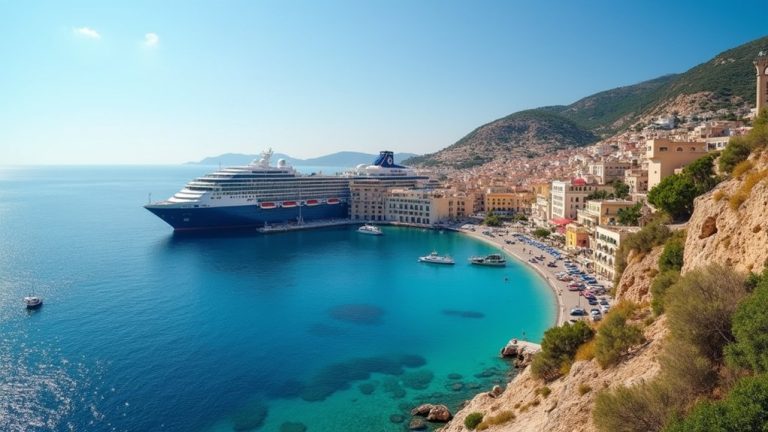
Batumi’s cruise port operates at a gentler pace than the Mediterranean terminals, which means you can actually accomplish things without being swept along by overwhelming crowds. Your ship will dock within walking distance of the seafront, though occasionally it anchors offshore and requires tender boats to reach land—if this happens, add time for queuing at the tender station. The walk into town is straightforward but takes you through neighbourhoods that function as ordinary working areas rather than polished tourist zones, with delivery trucks and minibuses creating the kind of organised chaos typical of a active port city.
The Old Town, with its narrow streets and 19th-century architecture, becomes genuinely congested when multiple ships are in port, especially around the bazaar. Arriving early gives you elbow room and a chance to move through the streets without constant shoulder-to-shoulder contact with other passengers. The seafront boulevard attracts most organised tour groups, which means cafés and restaurants there charge accordingly—stepping one street back will stretch your money noticeably further.
Plan your morning around the Old Town while it remains manageable, then consider hiring a local operator independently for somewhere beyond the immediate port area, such as the botanical gardens or mountain villages. Ship excursions tend to cost more and operate on slower schedules, so booking directly with a local guide usually offers better value and flexibility. This approach also lets you avoid the predictable crowds and spend time according to your own pace rather than a group timetable.
Getting From the Port To Town
The tender queue moves briskly enough, but the real delay happens once you step onto the dock. Taxis cluster immediately outside the port gates, and drivers will negotiate rather than use metres—you’ll either spend time haggling or overpay. Walking into town means passing through an ordinary neighbourhood where people work and shop normally, which beats the manufactured tourist zone you’d find elsewhere.
Drivers recognise the Old Town easily despite limited English, so agree your fare before getting in the car. The walk is entirely possible if you’re prepared for cobblestones and uneven pavements that don’t signal their tourist credentials. Either way, you’re looking at a straightforward journey without complications.
Arranging a local guide beforehand gives you the most control and costs substantially less than ship excursions. You can book guided tours through independent operators who handle port logistics routinely and understand the system properly. You decide when to return rather than following a group schedule, which matters if you want flexibility.
Walking lets you stop whenever something catches your attention without explaining yourself to a driver. The streets reward wandering because you’ll find actual cafés and courtyards where groups don’t venture. Head to the Old Town early because congestion increases as more passengers leave the ship.
The Must-Do Experience: Start Here
Most cruise passengers stick to Batumi’s seafront boulevard, which means the Old Town clears out by mid-morning if you arrive early. The 19th-century streets contain actual character—narrow lanes, Ottoman buildings, shutters that have weathered properly—and you’ll see locals going about their day rather than performing for cameras.
Start with the Argo cable car, which runs from the Old Town up to Anuria hill above the city and lets you understand how everything actually connects geographically. The ride is steep but short, and from the top you’ll see the harbour, the seafront and the mountains behind, which explains why this stretch of coast has always mattered strategically. From there, drop back into the Old Town’s side streets rather than following the main routes where group tours cluster.
Wander without a schedule because the point isn’t ticking off specific sites—it’s the courtyards, how light changes across stone walls, the café where someone’s genuinely drinking coffee. Small museums hide in corners, though they keep irregular hours and lack English labels; arranging a local guide beforehand makes these spaces worth your time instead of frustrating.
Afternoon brings crowds to the waterfront gardens, so leave that area for later if you want space to move. Your morning works better on the streets where you can go at your own pace and follow whatever catches your attention.
History Culture and the Top Sights
Batumi’s architecture reflects genuine historical chaos rather than deliberate design. The city changed rulers so often—Ottomans, Russians, Georgians cycling through—that buildings ended up representing multiple periods simultaneously, which accidentally makes the place coherent in a way planned cities rarely achieve.
The Archaeological Museum contains substantive material about these occupation layers, though the presentation assumes prior knowledge. Hiring a local guide through independent operators costs less than booking through your ship and actually provides context instead of moving people through on schedule. This transforms museum labels from tedious reading into something approaching explanation.
Sarpi sits where Georgia and Turkey meet on a pebble beach, reachable by minibus along the coast. The fishing villages you pass haven’t been converted into tourist attractions yet, which means the seafood costs substantially less than Batumi’s waterfront restaurants and tastes noticeably better when eaten standing up or from plastic chairs. This journey works better than another circuit through the city centre.
The Ali Pasha Mosque and Botanical Garden exist if they align with your specific interests, but neither justifies prioritising them over walking the old quarters at your own pace. Your time ashore produces better results when following what actually interests you rather than completing a checklist of sites. The architecture and street layouts reward random exploration more than structured touring.
Beyond the Centre: Day Trips and Alternatives
Most cruise passengers book the pre-organised tour because it’s there, not because it offers genuine value—and Batumi is precisely the port where going it alone works better and costs considerably less.
The ship’s excursions follow a predictable circuit: Archaeological Museum, Ali Pasha Mosque, botanical garden, repeated in the same order across sailings. You’ll spend time waiting for stragglers in air-conditioned coaches while someone recites information you could have read beforehand. Independent operators, easily found through local tourism websites before arrival, run smaller groups, move faster, and charge prices without the ship’s markup built in.
Sarpi deserves serious consideration as your day’s focus. Hire a minibus with other passengers heading the same direction, or negotiate directly with a taxi driver willing to wait. The journey itself teaches you more about how Georgia functions than any guided commentary could manage.
You’ll observe how locals actually live, eat seafood priced for locals rather than tourists, and spend your afternoon on a working beach where the only structure is a lighthouse marking the border between two countries. This requires slightly more planning than stepping onto a tour bus, but produces a day worth discussing afterwards rather than simply ticking off.
If museum interiors genuinely appeal to you, book a local guide independently in advance. These operators fill quickly and deliver substantially better value than your ship’s offering. Either approach—Sarpi or independent guiding—outperforms the standard package on every practical measure.
Shore Excursion or Going It Alone
Ship excursions in Batumi follow the vessel’s schedule, which rarely aligns with what passengers actually want to do. You’ll stand around while your group gets herded through a museum shop, then back to the bus on time.
Batumi reveals itself through everyday life, not tourist attractions. Walk the seafront on your own terms, drink coffee where Georgian families sit, and absorb the layered influence of Turkish, Russian, and Georgian culture that exists in the streets. The Archaeological Museum works fine if you’re indoors and need to pass time, but the Ali Pasha Mosque looks better from outside anyway.
For structured exploration without the cruise markup, hire a private local guide independently before you arrive. These guides charge substantially less than the ship’s rates, move at your pace, and adjust what you see based on your actual interests rather than a fixed itinerary. Book well in advance since popular guides book solid during cruise season.
Alternatively, walk into the old town and let the morning develop without planning. Eat where you see locals eating. Ask shopkeepers what their neighbourhood is actually like. This requires minimal preparation and shows you the port as it functions rather than as the cruise industry packages it.
Batumi: Practical Details Worth Reading Twice
The seafront promenade becomes impassable with cruise passengers mid-morning through early afternoon, transforming what could be a decent walk into a crowded shuffle. Go straight into the old town when you leave the ship and you’ll find actual Batumi away from the tourist masses.
Currency exchange at the port or tourist shops will cost you considerably more than what your bank offers. Georgian ATMs dispense cash at rates that beat any exchange counter near the cruise terminal, so withdraw money once you’re ashore rather than before you sail.
Restaurants facing the seafront charge prices comparable to central London, but two streets inland the same dishes cost half as much or less. Locals eat in neighbourhood spots where khachapuri and khinkali won’t drain your wallet, and any hotel receptionist can point you towards these places better than any online review will.
Local guides book out quickly during cruise season, so arrange one in advance rather than hoping to book on the day. Independent operators charge substantially less than your ship’s excursion desk and won’t take you through a scripted route—search online and book directly with them to save money and reclaim several hours.
A local SIM card purchased at the airport or port costs next to nothing and frees you from your ship’s roaming charges. Consider getting a local eSIM data plan to navigate independently without relying on downloaded maps or following your guide’s predetermined path, which gives you genuine flexibility during your time ashore.
Your Port Day: A Sample Itinerary
Batumi works better if you get up early because the old town is actually quiet before ten in the morning—you can walk the narrow lanes around Ali Pasha Mosque and the synagogue while people are still unlocking their doors rather than navigating through crowds. Find breakfast at a neighbourhood café inland from the seafront; ask your hotel or someone at the port where locals actually eat, and you’ll spend less money while getting your bearings properly.
By mid-morning, head south to Sarpi on the Turkish border if you’ve arranged an independent guide beforehand—this is the sort of place most cruise passengers simply won’t reach. These tours fill up during cruise season, so book one online before you leave; independent operators charge less than your ship’s desk and work at a pace built for actually looking at things rather than ticking boxes. The drive south follows the coast and shows you what Georgia looks like beyond the resort hotels.
Lunch should happen away from the seafront restaurants entirely—go two streets inland where khachapuri costs a fraction of what you’d pay with a sea view. Spend your afternoon either at the Botanical Garden if you want something low-key, or exploring the quieter parts of the old town and poking into the small museums that cruise groups skip. The seafront promenade exists for a reason, but leaving it empty-handed is the only way to actually take something from Batumi beyond a collection of tourist photos.
Book your Batumi day
Tours for this port, compare before you book
Getting around in port