Paphos Cruise Port Guide
Optimize your Paphos cruise experience: discover insider tips for authentic cultural sites, affordable independent tours, and hidden local gems that cruise desk packages miss—but first…
In this guide
Try one free personalised day plan — built around your ship’s actual arrival and departure times. Then get every port on your cruise done the same way from £7.99 (about $10).
Cruise Port Overview: What to Expect
Paphos operates as a functional cruise port without the commercial machinery you’ll encounter elsewhere, which creates a different kind of problem: the lack of clear signposting means you can easily lose your first hour ashore wondering what to do next. The port itself is compact and sits right on the harbour in Kato Paphos, below the upper Old Town, but most passengers face the same decision point between booking a ship excursion or arranging something independently—the practical answer is to book a reputable independent tour before you arrive and spend your first hour walking through the Old Harbour on foot.
The relaxed pace here works in your favour because fewer cruise ships call than at nearby ports, which translates directly into smaller crowds at archaeological sites and tavernas that aren’t overwhelmed by organised groups. The downside is that local transport doesn’t cater primarily to cruise schedules, so advance planning becomes more important than it would in a purpose-built cruise destination. Transport connections exist, but they operate on local time rather than ship time. You can book tours and activities(link) at the port to ensure your time ashore is well-organized and matches your interests.
Your clearest strategy is to decide in advance whether you want archaeology, beaches, or both, then book tours accordingly before departure. Independent tours to the Akamas Peninsula or the Tombs of the Kings fill quickly and cost substantially less than the equivalent ship excursions. If your schedule allows an unhurried wander through the Old Town, you’ll find genuinely good local food without the typical cruise port markup applied to restaurants near the terminal.
Getting From the Port to Town
Larger ships anchor offshore and tender passengers into Paphos harbour. The upper Old Town (Ktima) is a few kilometres inland and uphill from there, so most people take a taxi for that part, and taxis queue at the harbour charging significantly more than what locals pay for the same journey. Your transport decision depends entirely on what you plan to do that day, and sorting this before you disembark saves frustration.
If you’ve booked an independent archaeological tour in advance, your operator collects you directly from the terminal, eliminating both navigation and transport decisions altogether. Pre-booking matters because the better tours fill quickly and cost considerably less than what the cruise line charges for equivalent services. This approach works particularly well if Tombs of the Kings or Akamas Peninsula are on your agenda, since getting to these sites independently involves multiple transport connections.
Tenders land at the Old Harbour itself, and the seafront puts you in genuine Paphos rather than cruise passenger territory. Local buses run to fixed schedules rather than ship arrival times, making them unreliable unless you have substantial flexibility built into your day. The taxi-for-hire option works if you want a half-day guided loop through archaeological sites without having pre-booked, though this costs more than advance independent arrangements.
Ask your ship’s information desk for reliable local taxi numbers before disembarking, since port taxis operate on a different pricing structure than regular services. Your port day succeeds when you know your plan beforehand because transport in Paphos doesn’t accommodate uncertainty or last-minute decisions.
The Must-Do Experience: Start Here
Most cruise passengers arrive in Paphos expecting to head straight off to the main attractions and then feel surprised that the Old Harbour, where the tenders land, justifies lingering. The harbour itself functions as the port’s real centre—it’s a working fishing bay with tavernas where local people eat, not a constructed space built for tourists—and spending your first hour here gives you proper perspective on what separates Paphos from other Mediterranean ports.
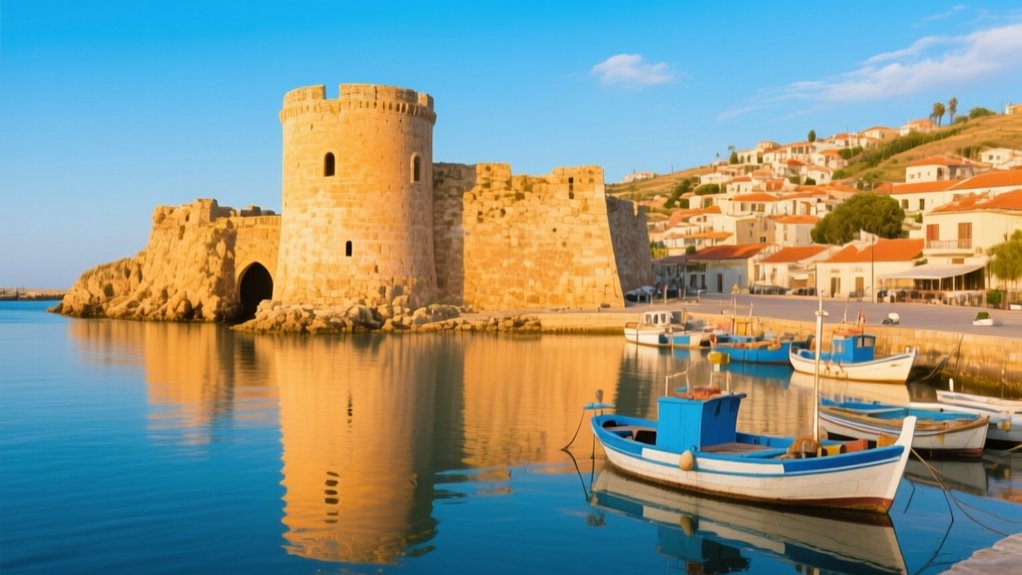
Walk to the water’s edge and sit with coffee or a cold drink while you decide what to do next. The Tombs of the Kings archaeological site is reachable by local taxi or through an independent guide booked beforehand, which costs considerably less than cruise line packages and actually explains what you’re looking at. If excavations feel like too much effort on a hot day, the harbour’s tavernas serve genuinely good seafood at reasonable prices, and Paphos Castle, a medieval fort, sits at the western end of the harbour—a flat, easy stroll with a small entry fee.
The real choice happens here: commit to the archaeological sites, which require transport and planned timing, or slow down and follow the harbour’s pace. Paphos actually rewards the second approach far more than cruise passengers typically experience, especially if you’re willing to eat alongside fishermen and skip the obvious photograph spots. Your whole day develops from this initial decision, so take your time with it.
🗺️ Tours & Experiences at This Port
Skip the ship’s overpriced excursions — browse top-rated independent tours trusted by thousands of cruise passengers.
History Culture and the Top Sights
Paphos operates as an actual town rather than a historical theme park, which means the archaeological sites here actually teach you something instead of just providing photo opportunities. The Tombs of the Kings are Hellenistic and Roman chamber tombs cut into rock—they’re atmospheric and strange rather than conventionally grand—and hiring an independent guide beforehand costs substantially less than the cruise ship excursions while giving you actual explanations of what you’re looking at rather than shuffling you through with forty other people. The site covers multiple locations spread across the area, so understanding the context actually transforms a hot walk into something worth your time.
Paphos Castle guards the western end of the harbour and needs only a short, flat walk and a small entry charge; the views alone justify going, and you’ll encounter far fewer people here than at the major archaeological zones. If the heat becomes too much, the Paphos District Archaeological Museum provides air-conditioned space and explains what you’ve already seen at the harbour or castle—it functions best as a midday refuge rather than a primary destination.
The actual cultural experience exists in the working harbour tavernas and the daily patterns around them, not in the reconstructed heritage sites. The mosaics at the House of Dionysos are genuinely fine, but they’re heavily excavated and explained already; the fishing families eating lunch at worn tables teach you far more about how Paphos actually functions than any restored ruin. Your energy is better spent on whatever genuinely interests you—whether that’s understanding how people actually lived here or how archaeologists think they lived.
Beyond the Centre: Day Trips and Alternatives
Most cruise lines package excursions to the Akamas Peninsula or mountain villages, which guarantees you’ll arrive in a coach alongside ninety other passengers precisely when those quieter places turn noisy. The peninsula itself has genuine appeal—limestone cliffs, accessible beaches, and walking trails that genuinely distance you from the tourist infrastructure—but you’ll experience it far better by arranging an independent small-group tour online before you arrive, which costs less and operates with a dozen people instead of a full coach.
Popular independent tours fill quickly during cruise season, so booking early secures both better pricing and the actual experience you’re after rather than a rushed version of it. The Lara Beach turtle sanctuary sits further along the coast and works only if marine conservation actually interests you; most cruise passengers arrive expecting a casual swim spot and find something quite different. If you want straightforward swimming and a taverna lunch, beaches closer to town provide the same sea and substantially better food at lower cost, without losing half your port day to coach travel.
Village trips to places like Fyti or Pano Panagia function better when you arrange them independently rather than through ship excursions, partly because you move at a realistic pace and partly because you’re not processed through the identical gift shop everyone else visits. The inland routes show you how Cypriot communities actually operate beyond the tourist framework, though this matters only if that genuinely appeals to you. If you prioritise archaeology and harbour exploration instead, stay closer to port and use your time ashore more directly.
Shore Excursion or Going It Alone
The cruise desk charges more for tours than local operators offer the same services for, and the difference becomes apparent when you compare quotes. An independently booked guided tour costs substantially less than the ship’s version and operates with fewer people, which means you actually see the sites instead of staring at other tourists’ backs from a crowded coach. The trade-off is that you handle your own scheduling and logistics, though this is manageable once you’ve made the booking.
Independent operators control most of the tour market in Paphos because the port’s layout makes small-group tours genuinely feasible. Book at least a week ahead since the best operators fill up during cruise season, and early booking gets you both availability and better rates. Look for reviews that describe what tours actually include rather than generic compliments, and check that tours start from places you can reach from the port without paying extra for additional transport.
Self-directed exploration works just as well if you’re prepared to navigate without a guide. The harbour archaeology, the old town, and waterfront restaurants need only basic navigation and a tolerance for walking. You’ll pay far less than an excursion costs and control your own rhythm. What matters is whether you want structured access to particular attractions—in which case book in advance—or whether you’d rather wander through what the port naturally offers. Either option beats boarding a coach at the last minute and overpaying for something you might not enjoy.
🗺️ Tours & Experiences at This Port
Skip the ship’s overpriced excursions — browse top-rated independent tours trusted by thousands of cruise passengers.
Things Worth Knowing Before You Step Off in Paphos
The cruise desk‘s “genuine local experience” tour runs on a schedule designed around ship logistics, not actual opening hours, which means you’ll either queue at closed sites or rush through them. Independent operators who work here year-round understand the real rhythm of the port and build their itineraries around what’s actually accessible during your port hours. They stop fewer places but spend real time at each one, which makes the difference between seeing the Tombs of the Kings and understanding why they matter.
Paphos locals eat lunch between one and three o’clock, and restaurants cater to that rhythm rather than cruise ship schedules. Eating at noon like the excursion groups do means paying inflated menu prices at half-full tables. Wait until the lunch rush settles and the same restaurant offers better value and actual local atmosphere.
Archaeological sites get crowded between ten and half past eleven when tour coaches arrive together. Arriving earlier or later shifts the entire experience in your favour, simply because fewer people are there and you can move at your own pace.
Book an independent guide at least a week ahead through established local operators, as popular guides fill rapidly during cruise season. Early booking secures both availability and better rates than last-minute arrangements. The money you save compared to ship excursions genuinely adds up, and you’ll spend your port time with someone who chose to be there rather than someone filling a roster.
🗺️ Tours & Experiences at This Port
Skip the ship’s overpriced excursions — browse top-rated independent tours trusted by thousands of cruise passengers.
Your Port Day: A Sample Itinerary
Your ship’s timing at Paphos works in your favour—the archaeological sites are quiet when you arrive, and most cruise passengers are still at breakfast. The advantage disappears quickly once the day moves forward, so leaving the vessel immediately makes practical sense.
The Tombs of the Kings warrant a full hour before the crowds arrive. Transport from the port is straightforward, and the site opens early enough that you can explore the rock-cut tombs properly instead of shuffling through with a tour group. The scale and craftsmanship of these burial chambers only register when you can stand still and look without people pressing past you.
After the tombs, find a café in the harbour area for mid-morning coffee. You’re not wasting time here—you’re observing which restaurants locals actually use and where the lunch crowd will eventually gather. By early afternoon, head to one of these places away from the obvious tourist strip, where the food costs less and tastes considerably better than what the waterfront establishments charge.
Your afternoon can go two directions depending on what interests you more. The House of Dionysus mosaics reward slow, meandering exploration far more than any guided tour would provide. If you’ve arranged an independent archaeological guide beforehand, this is the moment to meet them and have them explain what you’ve already seen, then show you the sites that cruise passengers typically miss.
Anything that takes you well beyond Paphos is easier booked in advance. what runs in Paphos lists the tours on offer.
🗺️ Tours & Experiences at This Port
Skip the ship’s overpriced excursions — browse top-rated independent tours trusted by thousands of cruise passengers.
Book your Paphos day
Tours for this port, compare before you book
Getting around in port