Ilulissat Cruise Port Guide
Learn how to navigate Ilulissat’s industrial harbor, book glacier tours, and discover why independent operators beat cruise line prices—but there’s a catch.
In this guide
Try one free personalised day plan — built around your ship’s actual arrival and departure times. Then get every port on your cruise done the same way from £7.99 (about $10).
Cruise Port Overview: What To Expect
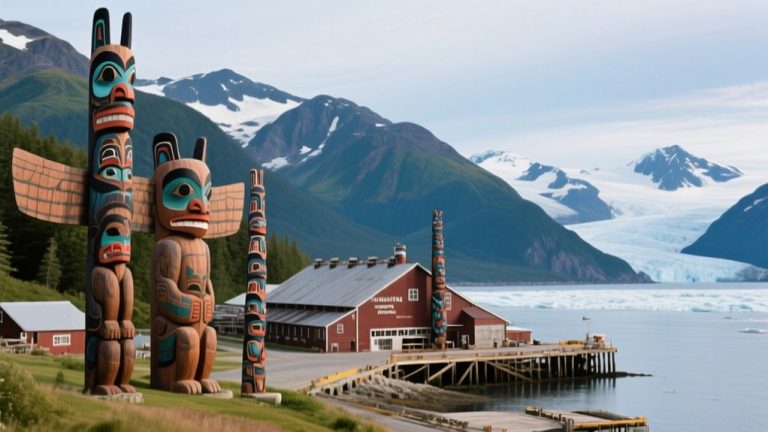
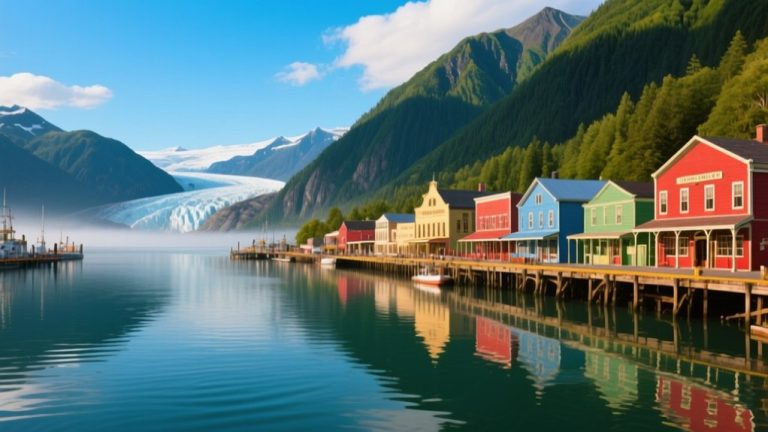
Ilulissat’s harbour works for fishing and supply boats rather than cruise ships, which means your first view involves industrial activity—nets, equipment, icebergs—rather than postcard scenery. There’s no terminal building; the tender lands you at the harbour, on the edge of a town of around 4,700 people living in coloured houses on rocky slopes. The landscape is genuinely the main event here: ice sheets, glaciers, and granite cliffs define the place far more than any human construction.
This is a working fishing community where tourism exists but doesn’t run the show, so expect practical infrastructure rather than polished services. Crowds cluster around the same few vantage points, but the overall number of visitors remains manageable compared to mainstream cruise ports. Your time ashore typically runs to around six or eight hours, which is tight enough that poor choices waste significant time.
Seeing the glacier and icebergs requires getting on water; standing on shore looking at distant ice rarely satisfies anyone. Book a boat tour through independent operators before arrival rather than relying on ship excursions, since they offer smaller groups and better rates, and spaces fill fast during the brief season. Whatever time remains can then go to walking the town, but reversing this order—exploring first, touring second—means you’ll likely run out of daylight before reaching the water.
Getting From the Port To Town
The walk from the tender landing to town takes longer than expected, largely because the harbour is spread out and icebergs compete for your attention as they drift past fishing boats. Most people head toward the main cluster of coloured houses uphill, which is straightforward, though taking the quieter routes around the settlement’s edges rewards you with a clearer picture of the place if you arrive early enough to do so.
Taxis operate informally, so flagging one down works better than trying to book ahead, though you’ll pay more than the distance justifies. Walking lets you gauge the actual scale of the settlement and understand how it functions, and the steep sections are fine if you have reasonable fitness. The dock has a small café where you can get coffee and orient yourself, which is better than rushing uphill in cold weather.
Decide whether you want a glacier tour or time exploring town before your ship docks, since this choice determines your immediate route. Independent boat operators run departures throughout the day, and booking online beforehand both guarantees your place and usually costs less than the ship’s package. If you’ve already booked a boat tour, skip wandering town and head straight to the departure point, because daylight runs out fast and the glacier won’t adjust to your schedule.
The Must-Do Experience: Start Here
Most people come to Ilulissat for the glacier, and that instinct is sound—the icebergs breaking off Sermeq Kujalleq are worth planning your day around. The catch is that every cruise passenger wants the same experience, which means the morning boat tours sell out quickly and afternoon departures suffer from weak light for photography.
Book your glacier tour through an independent operator before you arrive rather than through your ship’s excursion desk. You’ll pay less, get a morning departure when light is strongest, and sidestep the large organised groups that cruise lines send out. The tour itself is simple enough—you motor among icebergs for an hour or so, watching chunks of ice drift and occasionally crack apart. Bring a proper camera if you own one, since phone cameras fail to capture the ice’s actual scale and colour.
If you’ve booked a morning tour, go straight from the dock to the departure point and board before your ship empties out. If you’re stuck with an afternoon slot instead, spend your early hours walking around the settlement’s edges to see how locals make their living from fishing and hunting, then head to your boat by midday. Either way, the glacier experience needs nothing extra—no guide, no expensive add-ons—because the ice itself is the entire point.
History Culture and the Top Sights
Ilulissat’s character comes entirely from its connection to ice and sea, so the cultural attractions here are functional rather than theatrical. The Ilulissat Museum contains photographs and objects from the town’s hunting and fishing past, and spending time there gives you context for what you’ll observe around the harbour—though skipping it won’t diminish your visit.
The town itself is what matters. Walk behind the main street through narrow lanes where traditional timber houses painted in bright reds and blues still stand, most inhabited by people who hunt seal and fish for halibut as actual work rather than performance for tourists. You’ll see washing strung between buildings, boats requiring maintenance, and ordinary life proceeding—precisely because this place isn’t constructed for visitors, it shows you something real, though that also means there’s no quaint café district or concentrated shopping area to browse.
If you want genuine understanding of how people live here, hire a local guide through an independent operator before you arrive. Many guides are hunters themselves or come from fishing families, so they offer substantive perspective rather than the sanitised account cruise lines provide, and they often know which households will allow visitors to watch traditional practices being performed. The expense is moderate for a half-day arrangement, and you’ll leave with actual knowledge of Arctic life rather than an outsider’s surface impression.
Beyond the Centre: Day Trips and Alternatives
Most cruise passengers stay within the harbour area, so anywhere beyond the waterfront will feel quiet. This quietness comes with a trade-off: your options are limited and transport runs infrequently, which means planning ahead is essential. Your basic choice boils down to whether you want to pursue icebergs and glaciers by boat or explore the settlement on foot and by local transport.
Cruise lines heavily promote visits to the sled dogs, helicopter tours to the ice sheet, and boat trips to Disko Bay. Booking through the ship costs significantly more and guarantees you’ll share the experience with large groups of other passengers. Instead, contact local boat operators directly before arriving—the best kayaking trips and zodiac tours to see icebergs sell out quickly among cruise visitors, and independent operators charge considerably less while offering smaller groups and better scheduling flexibility.
Check the Ilulissat tourism board website to find reputable guides. The site lists operators with genuine reviews rather than the polished marketing language found in cruise brochures. This approach gives you actual information about what different operators actually deliver.
Walking into the valley behind town costs nothing and provides genuine value. You’ll encounter tundra vegetation, occasional wildlife, and views of the settlement dropping away below you. For a more structured experience, hire a local guide for a neighbourhood walk combined with visits to a fishing family’s home—this costs moderately and provides context you cannot gain on your own.
Booking your guide several weeks ahead matters if you’re travelling during peak summer season. Transport is infrequent enough that availability shrinks quickly during cruise ship season. Without advance booking, you risk finding guides fully booked or having to accept limited options.
Shore Excursion or Going It Alone
The cruise line’s shore excursion desk prices work backwards from what independent operators charge, and that gap widens once you account for the experience itself. You’ll board a boat with forty other passengers while local operators typically run groups of eight to twelve, which means actual room to move and a guide you can hear without raised voices.
Booking directly with a local operator before your trip costs less and puts you on a boat that leaves when conditions allow, not when your ship’s schedule requires it. The best zodiac tours to Disko Bay book out weeks before peak season, so waiting until you’re onboard risks finding nothing available. Search for operators with reviews that mention specific conditions—water state, what wildlife appeared, how knowledgeable the guide was—rather than vague statements about remarkable experiences. Many travelers find that exploring guided tours at cruise ports provides access to expertise and local knowledge that independent exploration cannot match.
Walking and exploring on your own works if you’re satisfied with the settlement itself. Colourful houses, fishing boats, and local shops reward casual wandering, and you’ll spend less while avoiding the crowds that cluster near the waterfront. You can also see the icebergs on foot from the Sermermiut boardwalk to the Icefjord, a walk from the southern edge of town, but getting out among the ice needs a boat.
The practical reality is straightforward. A ship excursion eliminates planning but charges premium rates for a crowded, time-limited experience. An independent operator requires booking ahead but offers better value, smaller groups, and actual flexibility. If icebergs matter to your visit—and for most people they do—book an independent tour online weeks before you depart.
Ilulissat: Practical Details Worth Reading Twice
The cruise desk will push you to book their excursion before arrival, using phrases like “limited availability” and emphasising convenience. What matters is that their boats run on ship schedules, not conditions—you might travel out to find the icebergs have drifted or weather has shifted since morning, yet you’re committed to their timetable regardless.
Water conditions in Disko Bay change hourly, and competent local operators reschedule when ice movement or weather demands it. Your cruise line cannot do this because the vessel has ports to reach on schedule. You’ll also pay considerably more for a crowded boat when independent operators run smaller groups at substantially lower cost.
Weather here genuinely doesn’t follow patterns, so “no tours operating today” happens regularly. Check current conditions before committing to anything, and prioritise operators with reviews showing how they’ve handled cancellations and rescheduling—this tells you far more than their marketing does. Many independents offer rebooking on another departure or credit toward a different tour, whereas cruise lines tend toward strict cancellation policies.
Ilulissat stays small and functional precisely because tourism hasn’t consumed it. Locals understand when ships arrive and the waterfront fills with people, but one street back from the harbour ordinary life carries on—fishing boats being serviced, children walking from school, the co-op where people actually buy groceries. The real town isn’t somewhere you need to search for; the cruise itinerary simply doesn’t go there.
Your Port Day: A Sample Itinerary
Most cruise passengers spend their first hour in queues at the visitor centre or wandering aimlessly along the waterfront—you can skip this entirely by planning your activities before the ship docks. Book your boat tour to the icebergs with an independent operator in advance, as the popular departures sell out quickly and cost significantly less through the cruise line. Head directly from the vessel toward the harbour to reach your meeting point, which puts you on the water during the clearest morning light when visibility and ice conditions are most favourable.
You’ll board a smaller boat with a local skipper who understands Disko Bay rather than being crammed onto a larger cruise line vessel operating on a fixed schedule regardless of conditions. A skipper familiar with the area can adjust routes based on actual ice and weather rather than adhering to predetermined routes that serve everyone identically. This flexibility often results in better viewing opportunities and a less rushed experience.
By midday, eat at a local café away from the waterfront restaurants that exist primarily to serve ship passengers at inflated prices. Walk one street back from the harbour and you’ll find places where locals actually eat, with better food at reasonable cost. These cafés operate on normal commercial terms rather than captive-market pricing.
The Icefjord Centre at the southern edge of town tells the story of the ice and the Icefjord, and you can see it properly in an hour. Afterwards, wander through the residential neighbourhood behind the main commercial strip where you’ll see fishing boats being repaired, local shops, and how the town actually functions outside the cruise schedule. This approach keeps you away from other passengers, reduces your spending, and shows you what Ilulissat actually is rather than what’s been packaged for visitors.
Book your Ilulissat day
Tours for this port, compare before you book
Getting around in port