Manila Cruise Port Guide
The ultimate Manila cruise port insider guide reveals how to navigate terminals, dodge tourist traps, and discover authentic experiences.
In this guide
Try one free personalised day plan — built around your ship’s actual arrival and departure times. Then get every port on your cruise done the same way from £7.99 (about $10).
Cruise Port Overview: What to Expect
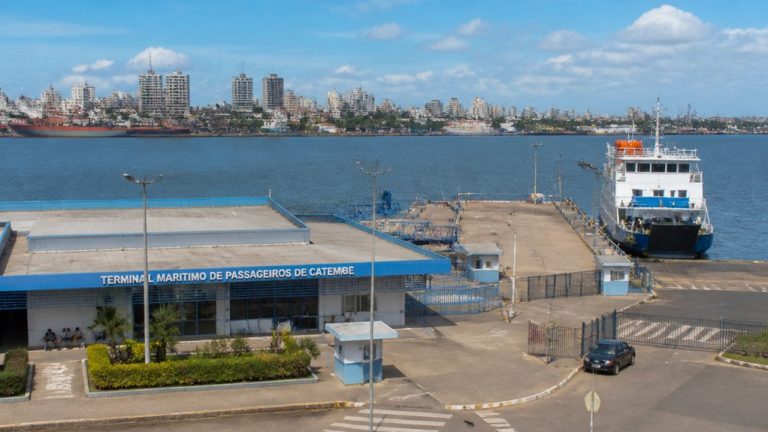
Manila’s cruise terminals operate with organised chaos as standard procedure, not as dysfunction. You’ll see passengers wasting their first hour hovering near the ship or standing in obvious tour queues whilst the city sits within realistic independent reach. The port’s proximity to central Manila cuts both ways—close enough for genuine exploration, but close enough that you’ll face persistent touts and inflated pricing if you hesitate on decisions.
Humidity and traffic are baseline conditions here, not obstacles to work around. Your actual advantage over land-based tourists is that your ship acts as a fixed endpoint, meaning you can move with more confidence without managing accommodation or worrying about missing onward transport. This same advantage makes you a target for opportunistic pricing, so distinguishing genuinely overpriced services from merely unfamiliar ones matters more than at other ports.
The terminal itself serves a functional purpose and little more. Spend your time in Manila proper rather than lingering in the port area. Security and immigration process reasonably quickly once you reach them, and the exit requires no navigation. Consider booking shore excursions in advance to avoid last-minute inflated pricing at the port.
The real choice isn’t whether to leave the port but how deliberately you want to enter Manila and what you can realistically see in your available hours. Moving with a clear plan before disembarking, and arranging an independent tour beforehand if you want guidance, keeps you from drifting into overpriced hotel package tours or purposeless shopping circuits.
Getting From the Port to Town
The taxi queue outside the terminal moves deceptively fast, but the drivers quoting fares are guessing at what you’ll accept rather than charging what the meter would show. Ride-hailing apps work reliably across Manila and remove the negotiation entirely, though you’ll need mobile data activated before leaving the ship—arrange this in advance or use the terminal’s WiFi to download and set up your app while still dockside. Consider purchasing a local eSIM data plan before your trip to ensure seamless connectivity without incurring roaming charges.
Public transport from the port exists but requires confidence maneuvering unfamiliar systems under time pressure. A ride-hailing app gets you downtown at moderate cost with no haggling, no language barrier, and a fixed endpoint you can share with your travel companion before departure. This matters more than saving money when you’re working against a ship schedule.
If you’re arriving in darkness or the queue genuinely stretches beyond reason, your ship likely offers a port transfer service at a small premium over independent options—this isn’t a rip-off, merely insurance against delay. Book it if the alternative means standing around uncertainly.
Avoid the hotel concierge services and pre-arranged tours offered at the terminal exit. These exist specifically because cruise passengers are temporary and willing to overpay for convenience. Your ship’s WiFi works well enough to arrange an independent driver or guide before you arrive, and doing so saves money without requiring more effort.
The journey into town takes longer than distance alone suggests due to traffic, but this is Manila’s consistent state, not a reflection of poor planning on your part. Build this into your expectations and depart early if you want genuine exploration time.
The Must-Do Experience: Start Here
Manila’s waterfront district operates as a genuine working port because cruise passengers systematically avoid it in favour of Intramuros, which means you’ll encounter actual dock activity rather than performances staged for visitors. The baywalk works best early in the day when the light suits photography and the foot traffic remains manageable enough to observe how people actually move through the space. The restored sections contrast sharply with deteriorating stretches, and both matter equally for understanding the city’s real texture rather than its promoted image.
Street vendors along the waterfront quote local prices because their customers are commuters, not tourists waiting for ship departure times. This fundamentally changes the transaction—you’re buying breakfast that someone living here eats daily, not a souvenir marked up for captive audiences. The economics tell you something accurate about the place.
If you want to extend inland, the markets around Divisoria operate on genuine commercial principles without performance value, though they demand comfort with noise, crowding, and navigational uncertainty. The residential neighbourhoods behind the waterfront contain small restaurants and cafes where regulars sit at tables, and the food costs less because it’s made for people with address rather than itineraries. Moving through these areas requires actual wayfinding rather than following marked routes.
An independent walking tour becomes sensible if unstructured exploration creates anxiety you’d rather not manage during limited hours. The tours designed specifically for cruise passengers with time constraints operate within the city’s actual rhythm rather than forcing it into a half-day framework. Book before arrival because spaces fill, particularly during peak cruise seasons, and the terminal rarely stocks availability.
🗺️ Tours & Experiences at This Port
Skip the ship’s overpriced excursions — browse top-rated independent tours trusted by thousands of cruise passengers.
History Culture and the Top Sights
Intramuros fills with cruise passengers almost immediately, so the narrow streets become crowded by mid-morning and queues for San Agustín Church and Fort Santiago grow predictably long. The district has genuine historical weight—the Spanish colonial architecture and layered past are worth your attention—but timing matters if you want to see anything without being pressed shoulder-to-shoulder with other tourists. Your best strategy is to arrive during your first hours ashore before the volume becomes oppressive, or book a small-group walking tour scheduled around cruise timings that eliminates navigation confusion while you focus on what you’re actually seeing.
The National Museum contains significant Philippine art and natural history, though finding the correct building and navigating the grounds independently requires effort that eats into limited port time. Ship-organised tours handle transport and provide a guide efficiently, but independent operators typically offer better value for the same experience. Book whatever structured tour interests you before you arrive because the best options fill quickly during busy cruise seasons, and trying to arrange something at the terminal wastes daylight hours you can’t recover.
Rizal Park along the waterfront functions differently from the major tourist sites—it has actual space and offers genuine city views rather than staged attractions. The street-level restaurants around the park serve proper lunch at reasonable cost, and eating among locals rather than photographing your meal gives you something closer to how the city actually operates. This requires minimal planning and produces the kind of ordinary moment—watching people live rather than perform—that vanishes the moment you follow the cruise brochure itinerary.
Beyond the Centre: Day Trips and Alternatives
Most cruise passengers stay within the terminal area, leaving the neighbourhoods beyond largely unexplored by visitors. Makati’s business district and Bonifacio Global City represent where the city actually functions—office towers, shopping centres, restaurants, galleries—but reaching them requires deliberate decisions about transport and they sit far enough away that cruise itineraries don’t naturally point you there. The question isn’t whether these places are worth seeing but whether you prefer someone else handling the logistics.
Ship excursions provide transport, a guide, and a fixed schedule, which solves real problems if your port time is short or you’re uncertain about navigating unfamiliar streets. You pay more for this convenience, and the group pace overrides your preferences. Independent operators running the same routes charge less and work with smaller groups, offering more flexibility around timing and which sites you actually want to see, but you manage your own transport and need to plan your own route. Guided excursions at ports worldwide offer comparable experiences across different destinations, allowing you to compare quality and value before booking.
Getting around independently means using ride-hailing apps or flagging a metered taxi from the terminal—straightforward once you’ve screenshotted your destination or written down the address. Tricycles and local buses are cheaper options but demand more confidence in reading routes and negotiating stops than most cruise visitors have developed. Booking independent tours online before you arrive matters during peak seasons because quality operators get fully booked and sourcing something at the terminal wastes hours you won’t recover.
Shore Excursion or Going It Alone
The cruise terminal is built to separate you from your money while you’re trapped with limited options, so coffee and phone SIM cards cost roughly double what locals pay just outside the gates. Your ship won’t leave during the scheduled port time, which means there’s no real pressure to buy overpriced items inside—you can simply walk out and compare what’s actually available. The vendors immediately outside the terminal entrance charge considerably less for food, drinks, and basic supplies because they depend on cruise passengers but aren’t exclusively targeting them.
Tourist pricing works because most people don’t bother checking alternatives. When someone quotes you a price for transport, a meal, or a guided tour, use a ride-hailing app to see what the same journey costs, or ask a terminal security officer what locals actually pay for a taxi to your destination. Taking the first offer you receive almost guarantees you’ve paid more than necessary.
Currency exchange at the terminal involves a noticeable commission that adds up quickly. Withdraw cash from an ATM outside the secure area if you can, or pay with your card at restaurants and shops where you can see the listed price before committing. Consider purchasing a local eSIM data plan to avoid roaming charges and stay connected at reasonable rates. Your afternoon works better when you make a few sensible decisions at the start rather than trying to negotiate every small purchase, and these choices take barely any time.
🗺️ Tours & Experiences at This Port
Skip the ship’s overpriced excursions — browse top-rated independent tours trusted by thousands of cruise passengers.
Small Things That Make a Difference in Manila
Manila’s port authority restricts ATM access inside the terminal to push you toward their exchange booths, which offer unfavourable rates. Once you clear the security checkpoint after disembarking, standard-rate ATMs sit within sight of the terminal gates, and this brief detour saves you money on every transaction you’ll make ashore.
Your mobile phone connects to local networks, though the cruise terminal’s SIM counter charges more for data than you’ll pay at shops along Roxas Boulevard. Ask a uniformed port officer where the nearest convenience store is—they give honest directions because they earn no commission from terminal vendors. A local SIM with data activates quickly and costs far less, giving you access to ride-hailing apps and restaurant information for your entire day.
The cruise desk warns that Manila traffic is chaotic and pushes their escorted tour as the safer option. Traffic genuinely is unpredictable, but independent exploration works perfectly well if you plan straightforward routes and avoid peak congestion hours rather than following a set group schedule. Ride-hailing apps display wait times and routes in real time, so you know exactly what you’re committing to before confirming any journey. For seamless navigation throughout the city, booking professional drivers in advance ensures reliable transportation without the uncertainty of last-minute options.
Most passengers waste their first hour queuing at the cruise desk while deciding which excursion to book. Sorting your route and booking any independent activities before leaving your cabin improves your day significantly. Popular guides and museum slots fill quickly during port days, and advance online booking costs considerably less than last-minute terminal bookings.
Your Port Day: A Sample Itinerary
The first hour ashore matters more than the rest of your day combined. Get cash from an ATM past security straightaway—this takes minimal time and funds everything that follows. Pick up a local SIM at a shop near the terminal gates rather than inside, then use your phone to arrange transport and book museum entry if anything interests you. Independent tours of Intramuros or the National Museum fill quickly for cruise passengers, so secure your spot before leaving the terminal. A ride-hailing app has you moving within twenty minutes.
Intramuros or Roxas Boulevard each offer different trade-offs depending on what you want from your afternoon. Intramuros requires walking and navigation work but gives you old churches, the old city walls, and food at reasonable cost in small family restaurants away from the main streets. Roxas Boulevard works better if you want less hassle—the Cultural Center of the Philippines sits there with museums worth several hours, and the restaurants serve locals rather than tourists.
Plan your return ride for at least ninety minutes before departure, not less, because Manila traffic shifts unpredictably and cutting it close costs more in taxi fares than it saves in time. If you’ve booked a structured tour, confirm pickup times the evening before you dock to avoid last-minute scrambling and the expense of rushed transport.
🗺️ Tours & Experiences at This Port
Skip the ship’s overpriced excursions — browse top-rated independent tours trusted by thousands of cruise passengers.
Book your Manila day
Tours for this port, compare before you book
Getting around in port
✈️ Before you sail: eSIM, insurance, luggage, flight delays
Ships In Manila
Upcoming calls from our sailings tracker, updated regularly.
ms Westerdam
Holland AmericaFri 19 Feb
⚓ 08:00–18:00
Arcadia
P&O CruisesSun 7 Mar
⚓ 08:00–18:00
Queen Victoria
CunardFri 12 Mar
⚓ 06:00–19:00
ms Noordam
Holland AmericaThu 10 Feb
⚓ 08:00–17:00
Queen Anne
CunardSun 12 Mar
⚓ 06:00–19:00
Arcadia
P&O CruisesThu 23 Mar
⚓ 09:00–18:00