Auckland Cruise Port Guide
Bypass crowded ship excursions and discover Auckland’s authentic neighborhoods, museums, and waterfront secrets on your own terms—but first.
In this guide
Try one free personalised day plan — built around your ship’s actual arrival and departure times. Then get every port on your cruise done the same way from £7.99 (about $10).
Cruise Port Overview: What to Expect
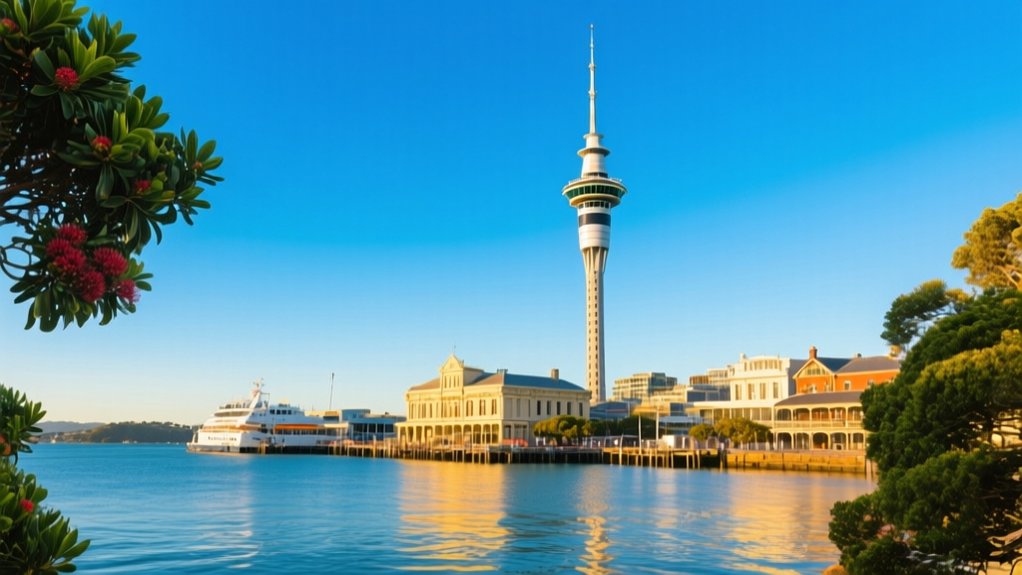
Auckland’s cruise terminal sits in the city centre, which puts you within walking distance of ordinary urban activity rather than penned into a tourism zone. This matters because it’s harder to make poor spending decisions when actual Aucklanders are everywhere around you, and the city’s real economy functions alongside the port rather than separate from it.
The terminal itself presents no navigation challenges. Immigration and security move without complications, and you’ll find ATMs and an information desk inside, though staff operate in generic mode rather than offering anything cruise-specific. The actual advantage lies in being unseparated from the rest of the city—the waterfront and downtown are immediately accessible on foot, so you’re not stranded waiting for transport before you’ve worked out where you are.
What surprises many passengers is that Auckland functions as a genuine city, not as a cruise port experience layered on top of one. There’s no tourist funnel pushing you toward overpriced venues. Instead you’ll be among office workers, students, and people living ordinary days, and this naturally steers you away from the worst traps. The best value and most authentic experiences are simply what locals already use anyway.
The waterfront immediately surrounding the terminal has been redeveloped and looks clean and orderly, but don’t waste your entire port day here. It’s fine for a coffee or a walk, but your limited time is better spent actually exploring the city or booking an independent tour to something worth seeing outside the urban area. Consider purchasing a local eSIM data plan to stay connected without incurring roaming charges while you navigate the city and research real-time recommendations from locals. Leave the terminal with a plan rather than drifting around the immediate vicinity.
Getting From the Port to Town
The cruise terminal sits close enough to the city centre that walking is your fastest option from the moment you step outside. Most passengers automatically look for a shuttle or taxi, which costs more than it should and takes longer than necessary when the walk covers genuinely used streets and not just tourist corridors.
Walking forces you to orient yourself immediately. You move through the waterfront, then into the downtown grid where actual shops and cafes let you understand what things cost locally rather than what cruise pricing has taught you to expect. You’re walking past real businesses instead of tourism infrastructure, which matters when you’re trying to calibrate whether you’re being overcharged.
Getting beyond the city centre requires a local bus if you’re heading to a specific neighbourhood or independent tour booking. The system works the same way locals use it—you’re among commuters rather than guided groups, and the cost stays reasonable. Taxis and ride-share apps are available but significantly more expensive for short journeys, with waiting times that eat into your actual exploring.
Port shuttle services exist mainly for passenger volume, not for your convenience, so skip them unless walking isn’t physically possible. By the time one fills up and departs, you could already be in town having coffee and deciding what your day actually looks like. Walking also means you’re not beholden to a shuttle schedule—you leave the terminal whenever you’re ready to return instead of watching a clock.
The Must-Do Experience: Start Here
Auckland’s waterfront works best when you walk it without a plan. The real choice isn’t about hitting checkpoints—it’s deciding how far into the city you’re willing to go beyond the obvious water views.
Viaduct Basin deserves an hour because yachts and charter boats moor there alongside cafes where people actually spend money on lunch. Prices and quality reflect local use rather than tourist adjustment, which tells you immediately what’s reasonable to expect elsewhere. Walk through and let it settle your thinking about coffee timing and where to eat later.
The eastern harbour edge walk along Quay Street passes working port infrastructure and buildings that most cruise passengers never see because they book a formal tour instead. You move at your own speed past genuine working activity rather than curated stops. This walk accomplishes what a structured tour does, except you stop when something actually interests you rather than when the guide says to.
🗺️ Tours & Experiences at This Port
Skip the ship’s overpriced excursions — browse top-rated independent tours trusted by thousands of cruise passengers.
Shore Excursion or Going It Alone
Independent walking tours booked online beforehand cost less than ship excursions and work better for limited time because they focus on how neighbourhoods actually function rather than collecting sights. You can book guided excursions at ports worldwide to explore specific interests before your ship departs. The good guides work with small groups that fill quickly, so booking matters. These tours typically run several hours and take you through areas as they are rather than as they’re presented to visitors.
Self-directed walking achieves the same thing without committing to a schedule or group pace. You can wander the waterfront into the city grid at whatever speed works for you, stopping for longer when something holds your attention. Either approach beats trying to see multiple areas in one port day.
🗺️ Tours & Experiences at This Port
Skip the ship’s overpriced excursions — browse top-rated independent tours trusted by thousands of cruise passengers.
Attempting to see everything leaves you with photographs and fatigue rather than actual understanding of place. Pick one neighbourhood—Ponsonby’s mix of independent shops and bars, Grey Lynn’s collection of vintage stores, or Freeman’s Bay‘s working-class character—and spend your time there instead. You’ll understand how the city actually functions and leave with a genuine sense of what Auckland is like to live in rather than visit.
🗺️ Tours & Experiences at This Port
Skip the ship’s overpriced excursions — browse top-rated independent tours trusted by thousands of cruise passengers.
History Culture and the Top Sights
Auckland’s museums charge moderate admission but often feel obligatory rather than rewarding on a short port day. The Auckland War Memorial Museum holds significant Pacific and Māori material, but queuing and interior time consume hours that port schedules rarely justify unless this particular collection is specifically what drew you here. The Auckland Art Gallery Toi o Tāmaki works better for a quick stop because it’s compact and central, though many cruise passengers skip it entirely and miss what actually distinguishes Auckland’s cultural life from other ports.
A focused hour at the gallery beats an exhausting museum crawl. If Māori culture and history genuinely interest you, independent guides specialising in iwi perspectives and cultural sites offer considerably more insight than general museum visits. These tours book ahead and fill quickly with cruise passengers, so securing a spot online before arrival matters.
Historic buildings and neighbourhoods tell Auckland’s story more effectively than formal institutions. Walking through the city grid, you’ll encounter working architecture and street-level history without admission fees or crowds. The real cultural value here lies in understanding how different communities have shaped the city over time, which happens through observation and wandering rather than through ticketed experiences.
If you want structured guidance, book an independent cultural or historical walking tour online beforehand. The best ones focus on specific areas or stories rather than attempting thorough coverage. You leave understanding something deeply rather than having visited several places superficially.
Beyond the Centre: Day Trips and Alternatives
Most cruise passengers book ship excursions to Waitomo Caves or Rotorua without considering the travel time involved. You’ll spend several hours on a coach, arrive with limited time to actually see anything, then turn around and head back to port. The maths are poor: you pay more, see less, and sacrifice half your day to sitting down.
The first question is whether these distant attractions actually matter to you or whether you’re pursuing them because they’re well-known. If geothermal areas or limestone caves are genuinely why you’ve chosen this port, book an independent small-group tour in advance. These operators depart earlier and return later than cruise lines, often employ guides with real knowledge rather than a memorised patter, and charge considerably less for the same experience.
If you’re uncertain about committing most of your day to a single activity, stay in Auckland itself. The waterfront, local markets, and neighbourhood walks let you move at your own pace without worrying about transport schedules or missing the ship. You can skip what bores you, linger where you like, and return refreshed rather than exhausted from a long coach journey.
The practical question cuts through the rest: would you travel here specifically to see these attractions, or are you visiting them purely because they’re famous? Your honest answer tells you whether booking a specialist independent tour is worthwhile or whether staying local and controlling your own schedule actually gives you a better day.
Shore Excursion or Going It Alone
The ship excursion desk profits when you book through them, which means their recommendations lean toward high-margin options rather than what actually suits your time or interests. This isn’t malice—it’s how the business works. The real advantage of going independently isn’t usually money, though you’ll often save it; it’s control.
You set your own pace, skip what doesn’t appeal, and aren’t herded back to the coach at a predetermined time because someone else is ready to leave. For activities within Auckland itself—waterfront walks, neighbourhood cafés, local museums—going alone is straightforward and genuinely better than any organised option. You’ll move faster, spend less, and avoid the artificial schedule pressure that makes ship excursions feel rushed.
For activities requiring specialist knowledge or transport, the calculation changes. A guided winery tour or a Maori cultural experience is genuinely worth booking with an independent operator in advance rather than attempting solo; you’ll understand what you’re seeing rather than just photographing it, and the cost difference between ship and independent tours is often considerable.
When you book matters more than you’d think. Popular independent tours fill quickly during cruise season, and last-minute spots go to whoever books first, not whoever pays most. Searching reviews and booking online a few weeks ahead secures your place at better rates than either the ship desk or gate prices.
Your day ashore is too short to waste on mediocre experiences or poor logistics. The difference between a rushed, expensive ship excursion and a well-chosen independent alternative isn’t subtle—it’s the difference between remembering Auckland fondly and remembering mainly that you sat on a coach.
🗺️ Tours & Experiences at This Port
Skip the ship’s overpriced excursions — browse top-rated independent tours trusted by thousands of cruise passengers.
Before You Leave the Ship: Auckland Practicalities
Auckland’s waterfront exists primarily to extract money from cruise passengers, and the ship desk profits from selling you overpriced harbour cruises that show you nothing you couldn’t see standing on the wharf. The actual advantage isn’t finding somewhere secret—it’s knowing what wastes your time and what actually matters.
The Viaduct Harbour area next to the cruise wharves operates as a deliberate trap. Waterfront restaurants charge premium rates for mediocre food, gift shops sell identical souvenirs at inflated prices, and the shuttle buses downtown create queues longer than simply walking would take. Moving inland away from the water entirely gets you into central Auckland’s actual character within a reasonable walking distance.
The Auckland War Memorial Museum justifies its admission fee if you care about Māori culture or natural history, and you can cover it properly without rushing. Skip the cruise line’s organised museum tour because you’ll move at your own pace and their audio guide beats their guided commentary. Booking independently matters for wineries, Waitomo Caves, and Rotorua thermal trips—the ship desk’s markups are severe and popular operators fill their spots well before your arrival, so you need to arrange these weeks in advance rather than assuming morning-of availability.
🗺️ Tours & Experiences at This Port
Skip the ship’s overpriced excursions — browse top-rated independent tours trusted by thousands of cruise passengers.
Your Port Day: A Sample Itinerary
Auckland’s cruise passengers flow predictably into the Viaduct within the first hour, so your advantage comes from moving inland immediately instead of joining them. Walk toward central Auckland before mid-morning rather than lingering at the waterfront, and head straight for the Auckland War Memorial Museum if Māori taonga and Pacific collections genuinely interest you—you’ll move through at your own pace without the regimented shuffle of a ship-organised tour. Budget a solid couple of hours here, or skip it entirely and head toward Karangahape Road instead, where independent cafés, vintage shops, and actual neighbourhood character exist without the waterfront’s inflated pricing.
For midday, eat somewhere away from the harbour. Queen Street‘s lunch spots cost less than waterfront restaurants and serve better food—walk inland and you’ll find neighbourhood options rather than the plated-up tourist fare designed for ship passengers. If you’ve booked an independent winery tour or Waitomo Caves expedition in advance, depart during this window since these trips require travel time and demand booking weeks ahead rather than attempting same-day availability through the ship desk.
Your afternoon depends on what energy you have left. If you’ve completed an excursion, return to the ship with time to spare rather than rushing. If you’ve stayed local, use the late afternoon to walk through Mission Bay or explore a neighbourhood that interests you, then return to the waterfront as other passengers queue for shuttles—you’ll walk back faster than they’ve spent waiting.
Shore time is limited, so it pays to sort a tour before you arrive. the Auckland excursion listings is worth a look while you are still planning.
🗺️ Tours & Experiences at This Port
Skip the ship’s overpriced excursions — browse top-rated independent tours trusted by thousands of cruise passengers.
Book your Auckland day
Tours for this port, compare before you book
Getting around in port
✈️ Before you sail: eSIM, insurance, luggage, flight delays
Ships In Auckland
Upcoming calls from our sailings tracker, updated regularly.
Celebrity Solstice
Celebrity CruisesSun 18 Oct
⚓ arrives 06:00
Carnival Splendor
CarnivalSun 18 Oct
⚓ 08:15–18:30
Celebrity Solstice
Celebrity CruisesMon 19 Oct
Celebrity Edge
Celebrity CruisesSun 25 Oct
⚓ 06:30–16:00
Celebrity Edge
Celebrity CruisesThu 5 Nov
⚓ 06:00–19:00
ms Noordam
Holland AmericaMon 9 Nov
⚓ 07:00–17:00