Flam Cruise Port Guide
Know the insider secrets to maximize your Flåm railway experience and skip the expensive cruise excursions—but there’s one critical mistake most passengers make.
In this guide
Try one free personalised day plan — built around your ship’s actual arrival and departure times. Then get every port on your cruise done the same way from £7.99 (about $10).
Cruise Port Overview: What to Expect
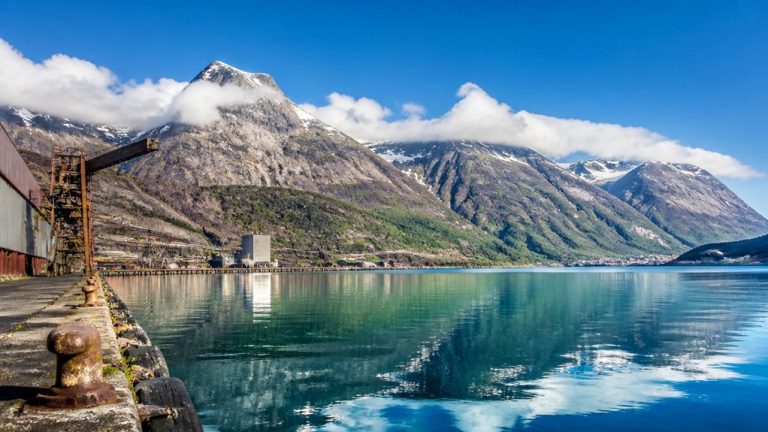
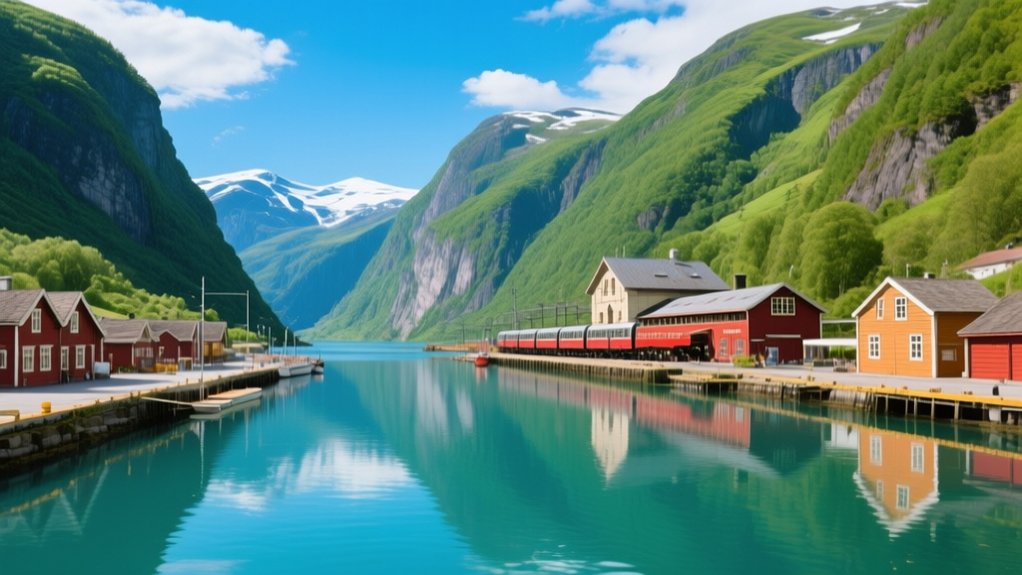
Flåm railway station sits at sea level in a fjord so narrow that your ship will feel close enough to touch the mountains. The village itself has perhaps three hundred year-round residents, which means cruise ship crowds can overwhelm it within minutes of coming ashore. This isn’t a complaint about the port so much as a straightforward reality: you’re arriving at one of Norway’s most famous railway termini, and everyone on your ship knows it.
What actually matters is understanding why Flåm exists as a port stop. The railway journey itself—a steep, winding descent through countryside—is the genuine reason you’re here, not the village. Most cruise passengers book the ship’s organised excursion, which guarantees a seat but costs considerably more than booking independently and often leaves you shepherded through the same experiences as thousands of other passengers that day. The better strategy is to book your railway ticket online before the cruise, arriving early enough to secure a seat on a specific service. You can explore guided tours and shore excursions available through independent providers to customize your experience beyond the standard ship offerings.
Popular departures sell out quickly, especially during peak season, so advance booking isn’t optional. The village’s restaurants and shops exist primarily to extract money from people with hours to spare between arrival and departure. Budget-friendly options are rare near the waterfront, so eat before boarding the train or pack something substantial.
Treat the port as a launch point for the railway experience rather than a destination in itself. The real value lies in the journey and the landscape surrounding it, not in what Flåm offers for wandering. You’ll have a far better day if you approach the port with this purpose in mind rather than filling time on the streets.
Getting From the Port to Town
The walk from your ship to Flåm village is short. Most ships tie up at the quay right in the village, a few steps from the railway station. On busy days a ship may anchor and tender passengers ashore instead, which adds a small boat journey to your travel time, so factor this in if you’re catching a specific train.
Once ashore, the railway station is a short, flat walk along the waterfront on a straightforward level route. You’ll pass shops, cafés, and a supermarket along the main commercial strip, though stopping here makes sense only if you have genuine spare time. Most passengers walk this route with clear intent, arriving to catch their train and leaving the same way.
The station occupies the village centre, and reaching it is unavoidable whether you’re independent or booked on a ship excursion. If you’ve purchased your railway ticket beforehand, go directly to the ticket office to confirm your reservation and locate your platform. Without advance booking, the ticket desk may have seats available, though popular departures often sell out during peak season.
The walk from the ship to the station takes only a few minutes at a normal walking pace, though luggage or children will slow you down. Allow additional time if your ticket needs sorting upon arrival. The real benefit of arriving early isn’t escaping crowds—it’s securing a seat on the service you actually want before your ship discharges passengers onto the platform.
The Must-Do Experience: Start Here
Most cruise passengers plan three hours on the railway and consider the day complete. This approach works logistically but wastes what actually matters—the train is merely how you reach somewhere worth being, not the point itself.
The railway line between Flåm and Myrdal is genuinely steep terrain that required serious engineering to cross. Twenty tunnels and several ravines make clear why this valley stayed isolated until the tracks went in. What you’re riding through is the physical proof of that difficulty.
Your cruise line will sell you a packaged excursion, which handles transport and removes decision-making. Booking independently costs less and gives you control over when you travel and what you do with your time. During busy months, popular departure slots vanish quickly, so arrange your ticket before your ship docks.
The actual tactic is taking an early departure, positioning yourself on the left side of the train for the views that face the valley, and getting off at Myrdal at the top of the line rather than staying on board for the ride straight back down. From that station you can walk the plateau, explore the mountain facilities, or simply stand at elevation while the landscape drops away beneath you. This inverts the usual cruise pattern—the train becomes a tool to reach somewhere else rather than an activity to complete.
The journey works because it gives you real altitude and perspective without requiring hours of hiking or specialist gear. Book ahead, get to the platform early, and choose your route deliberately. That’s how a port day becomes something you actually retain.
🗺️ Tours & Experiences at This Port
Skip the ship’s overpriced excursions — browse top-rated independent tours trusted by thousands of cruise passengers.
History Culture and the Top Sights
Flåm has almost no history of its own, which is precisely why it matters. The village existed as a remote farming settlement until the railway arrived, transforming it overnight from nowhere into somewhere. That compression of development—from isolation to infrastructure in a single generation—shapes everything you see today.
The settlement contains no significant medieval sites, no ancient ruins, no layered cultural monuments. What exists instead is industrial heritage dressed in Norwegian timber and mountain drama. The railway museum documents this engineering story with genuine substance, showing how the line was built through terrain that actively resisted it. Spending time here before or after your train journey contextualises what you’ve just experienced rather than treating the ride as pure spectacle.
The church dates from the 1670s but feels secondary to the landscape that contains it. Locals will tell you the real history is geological—the U-shaped valley carved by glaciers, the waterfalls that prove the mountain’s relentless drainage. That perspective matters more than any plaque.
The character of Flåm lies in how recently it became accessible. Most cruise passengers arrive expecting a traditional Norwegian town with centuries of layered settlement, then find instead a place that chose modernity on purpose, building deliberately around the railway rather than despite it. That’s the cultural story worth understanding: not what was preserved, but what was consciously shaped around a single transformative infrastructure project. It explains why the village feels organised rather than organic, planned rather than evolved.
Beyond the Centre: Day Trips and Alternatives
The ship excursion to the Flåm Railway costs considerably more than booking independently, and the crowds transform the experience into something closer to herding than enjoyment. You’re paying for convenience, not value—and that convenience evaporates quickly when you’re packed with hundreds of other cruise passengers on a platform built for a fraction of that number.
Book your train ticket in advance online through independent operators. Popular departures sell out during cruise season, so securing your seat beforehand means you skip the station queues while other passengers compete for what remains. The price difference justifies the effort, and you travel according to your own schedule rather than the ship’s timetable.
The railway journey itself delivers the same experience regardless of how you’ve paid for it—the engineering works, the gradients remain steep, the views stay constant whether you’re travelling solo or in a group. What actually changes is everything surrounding the train itself. Boarding ahead of the cruise masses means you can claim a window seat without negotiating with strangers and actually observe the landscape instead of photographing it past someone else’s shoulder.
Independent travel gives you options the ship excursions don’t. You can spend as long as you want at Myrdal or Flåm station without watching the clock, take a slower train if that appeals to you, or combine the journey with a hiking route that managed groups rarely accommodate. Your port time is limited, and spending it according to your own priorities rather than someone else’s schedule means you control what actually matters.
Shore Excursion or Going It Alone
Shore Excursion or Going It Alone
Most cruise passengers pay the ship’s shuttle service without checking whether they actually need it. The walk from Flåm port to the station takes less time than queuing for the bus and costs nothing, which matters considerably when your port time is limited.
The real problem isn’t the journey itself but outsourcing your decisions to the excursion desk. The Flåm Railway runs on its own timetable regardless of cruise arrivals, so the desk simply assigns you to whatever departure slot fits their operation, not your preferences. You end up paying a premium for this inflexibility whilst sharing the experience with hundreds of other passengers on the same rigid schedule.
Book your train ticket independently before you arrive. Popular departures fill quickly during cruise season, and having your ticket already secured means you can board when suits you rather than waiting for your group to assemble at the station. The financial difference alone justifies the minimal effort of online booking.
What actually matters is controlling your own time. An independent ticket lets you stay longer at either end of the route, combine the train with your own walking plans, or simply sit quietly without managing other people’s cameras and backpacks. The railway itself is identical regardless of how you book it—what changes is who decides when you travel, and that control costs considerably less when you bypass the ship.
🗺️ Tours & Experiences at This Port
Skip the ship’s overpriced excursions — browse top-rated independent tours trusted by thousands of cruise passengers.
Flam: Practical Details Worth Reading Twice
The Flåm Railway station has a café, but you’re paying a premium for the convenience of being trapped at departure time. Your real advantage lies in eating properly before you board rather than grabbing an overpriced sandwich when panic sets in.
Most cruise passengers arrive at the station in a state of mild chaos, having barely located their platform. You’ll sidestep this entirely by sorting breakfast or a packed lunch before leaving your ship, and a supermarket near the waterfront stocks decent sandwiches and coffee at ordinary prices.
The excursion desk won’t mention that the railway runs year-round, with more departures in summer, so you needn’t rush or feel pressured by artificial scarcity. Booking independently online before you arrive means you secure your preferred departure slot and reach the station unhurried, travelling at your own pace rather than the ship’s schedule. Popular times during peak season do fill quickly, which is exactly why advance booking matters.
Station staff speak excellent English and treat independent travellers as straightforward customers rather than as people who’ve somehow circumvented the system. They’re accustomed to cruise passengers booking their own tickets, and this professional courtesy—being handled as a proper traveller rather than a numbered group—genuinely improves how your day ashore unfolds.
🗺️ Tours & Experiences at This Port
Skip the ship’s overpriced excursions — browse top-rated independent tours trusted by thousands of cruise passengers.
Your Port Day: A Sample Itinerary
Most cruise passengers squander their first hour in a queue at the station café, never realising the railway journey is the entire point of the day. Your time here isn’t about collecting secondary attractions; it’s about the railway, the valley, and recognising when you’ve had enough.
Book your railway tickets in advance and secure a morning departure before the cruise-desk crowds materialize. This buys you two genuine hours in Flåm village itself—time to walk the waterfront properly, find decent coffee, and understand the scale of the valley without rushing. The village is small, which is why lingering works better than hurrying through it.
Board the railway mid-morning when light is clearest and carriages less crowded. Sit on the left side heading towards Myrdal; the gradient is steep enough that you’ll want clear views of what’s ahead. The ascent passes through numerous tunnels and hairpin bends that seem impossible from inside the carriage, with the landscape gradually shifting from fjord-side settlements into alpine terrain. Bring water and a jacket because temperature drops noticeably as you climb.
Return to Flåm by early afternoon, giving yourself an unhurried walk back to your ship. Resist booking a second excursion; one experience properly absorbed beats two rushed through. A straightforward meal at one of the waterfront restaurants—nothing elaborate, but solid—completes a day that actually stays with you.
🗺️ Tours & Experiences at This Port
Skip the ship’s overpriced excursions — browse top-rated independent tours trusted by thousands of cruise passengers.
Book your Flam day
Tours for this port, compare before you book
Getting around in port
✈️ Before you sail: eSIM, insurance, luggage, flight delays
Ships In Flam
Upcoming calls from our sailings tracker, updated regularly.
MSC Euribia
MSC CruisesThu 8 Oct
⚓ 07:00–18:00
Ambience
Ambassador Cruise LineMon 22 Mar
⚓ 07:30–18:00
Ambition
Ambassador Cruise LineFri 16 Apr
⚓ 07:00–18:00
MSC Euribia
MSC CruisesThu 29 Apr
⚓ 07:00–18:00
Costa Diadema
Costa CruisesMon 3 May
⚓ 08:00–18:00
Arvia
P&O CruisesWed 5 May
⚓ 07:45–19:00