Kolkata Cruise Port Guide
Plan your perfect Kolkata port day with insider tips on temples, culture, and avoiding tourist traps—but there’s one crucial timing mistake most cruisers make.
In this guide
Try one free personalised day plan — built around your ship’s actual arrival and departure times. Then get every port on your cruise done the same way from £7.99 (about $10).
Cruise Port Overview: What to Expect
Kolkata’s cruise terminal sits on the Hooghly River in a densely populated city, which means genuine proximity to significant cultural sites alongside the intensity of a major Indian metropolis. You won’t be able to wander aimlessly and stumble onto things—you need a strategy, because the volume of people, traffic, and sensory demand will exhaust you if you’re expecting a quieter port day. That same intensity is what makes spending time here worthwhile.
The terminal itself is functional. You’ll move through basic facilities and security checkpoints on arrival, then navigate transport options: local taxis and auto-rickshaws cost considerably less than ship-organised transport, though negotiating requires either confidence or a pre-booked app-based ride. Independent tour operators can arrange visits to the colonial quarter, temples, and markets at a fraction of cruise line prices, though reliable guides fill up during peak seasons. Consider booking guided excursions in advance to secure experienced local expertise.
Your actual advantage is the option to move away from cruise tourism entirely. The local food scene, neighbourhood streets, and lesser-known temples show you a version of the city that standard port itineraries skip, but only if you push beyond the obvious attractions. You’ll get more from a flexible approach than from a detailed schedule locked in before you arrive.
Getting From the Port to Town
The Hooghly River ferry system technically exists as a route into the city, but cruise schedules almost never align with its timetable, and the detour wastes time you don’t have. Your actual choices narrow to three options, each with trade-offs worth understanding.
Ship-organised coaches charge more than the service justifies and lock you into a group itinerary with fixed stops, which eliminates the point of visiting a city worth exploring independently. Local auto-rickshaws move through Kolkata’s traffic faster than anything else, but haggling over fares demands confidence, and miscommunication about your destination becomes a real problem when your ship leaves at a set time. App-based rides through Uber or Ola remove both negotiation and uncertainty—you see the fare before you confirm, which matters more in Kolkata than at almost any other port because getting lost here costs you actual hours.
Book your ride before the terminal comes into view so you’re not standing in the open vulnerable to unofficial taxis charging what they sense you’ll pay. If you’re arranging an independent tour, contact your guide directly about transport rather than booking separate pickup. This solves two problems at once: your guide knows exactly when to collect you, and you don’t waste time coordinating between different operators.
The walk from the terminal into anywhere worth visiting crosses industrial areas for longer than the distance justifies. Don’t do it. A short ride costs little enough that it extends your actual time in the city by an hour, and that’s the hour that matters.
The Must-Do Experience: Start Here
Kolkata works better when you stop thinking about ticking off attractions and instead spend your time actually understanding a single neighbourhood. The Mother House of the Missionaries of Charity anchors most first-time visits because it’s where Mother Teresa lived and worked, but cruise passengers arrive in predictable clusters that create queues lasting an hour for a small building and modest museum space. Going early in the morning cuts the wait, though if crowds have already formed, your time is better spent walking through the actual working city instead.
Your practical best option is booking an independent walking tour through a local guide weeks before your cruise arrives. These tours fill fast on cruise days, cost less than ship-organised excursions, and move through Victorian-era streets and bazaars where Kolkata actually functions as a living place rather than a tourist circuit. Your guide handles the traffic chaos, explains the Bengali Renaissance history that underpins the architecture and culture, and stops at street food stalls that locals use—something cruise coaches cannot replicate.
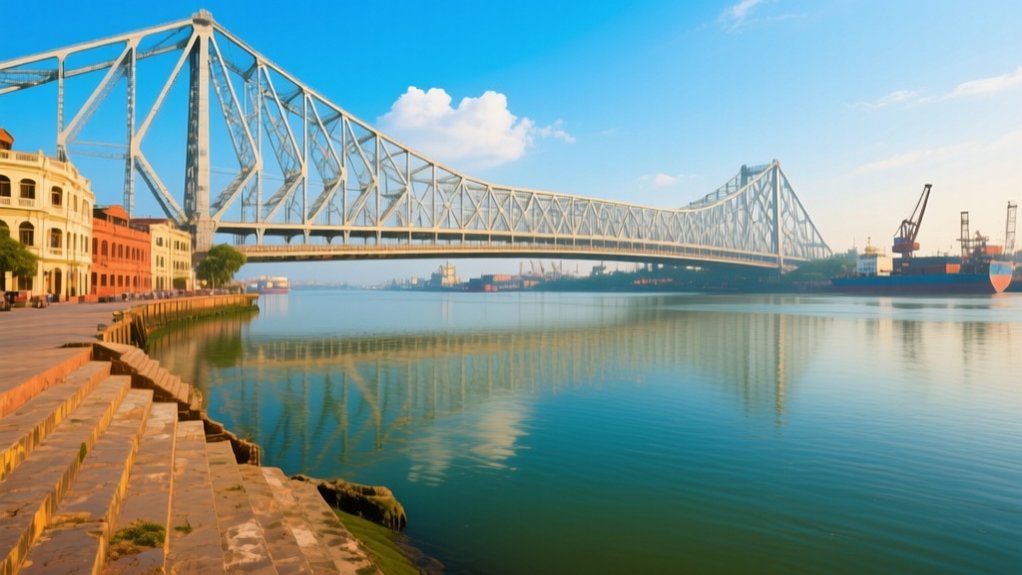
A morning walking tour leaves your afternoon free to wander on your own terms, eat where residents eat, and sit in one of the parks without pressure. If you prefer unstructured time or are travelling solo, the Indian Museum or the Mullick Ghat flower market beside Howrah Bridge keep you moving through working Kolkata rather than through queues. Book your independent guide now because the reliable ones take only a small number of cruise passengers per sailing.
🗺️ Tours & Experiences at This Port
Skip the ship’s overpriced excursions — browse top-rated independent tours trusted by thousands of cruise passengers.
History Culture and the Top Sights
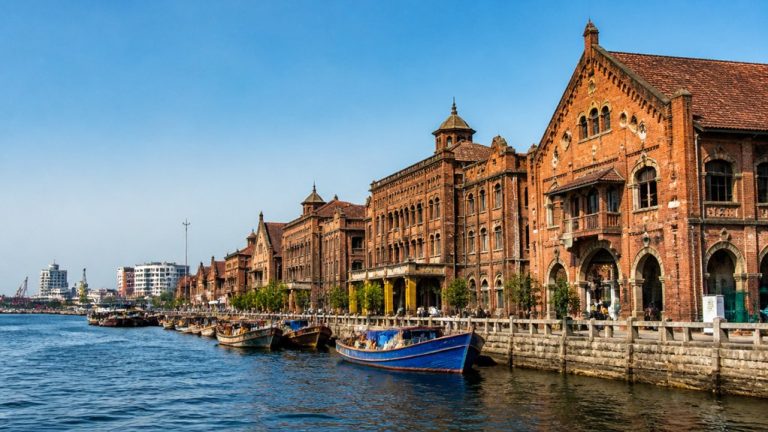
Kolkata’s streets show two periods of architecture occupying the same space because the city was the seat of the British Raj, and that overlay shapes what you see walking around. The Indian Museum contains legitimate collections of sculpture, natural history and decorative arts across several wings, though most cruise passengers misjudge how long it takes to actually look at anything—an hour feels hollow, but a focused morning in one section like the sculpture gallery will stick with you afterward. The scale of the place works against you if you’re trying to see everything.
The Victoria Memorial functions as a photograph stop and the gardens justify the visit, though the interior museum is moderately priced and fairly thin unless you’re invested in imperial history specifically. Your afternoon works better spent in the neighbourhoods themselves: College Street has independent bookshops and operating printing presses that show how the city’s intellectual side still functions, or you can walk around Rabindra Sarovar lake and watch how Kolkata’s thinking class actually spends their time. These places feel less performed than the obvious sights.
Dakshineshwar Kali Temple sits north of the main tourist circuit and operates as active worship rather than heritage performance—it requires you to behave respectfully, but it gives you temple culture that no museum recreates. The actual history of Kolkata surfaces through talking with an independent walking guide who can show you where specific Bengali Renaissance figures lived and worked, connecting buildings to the cultural movement that happened inside them. This context transforms colonial architecture from scenery into something that makes sense.
Beyond the Centre: Day Trips and Alternatives
Most cruise passengers stay within the Victorian core, which leaves the neighbourhoods where Kolkata actually functions largely unvisited. These areas sit a short journey away and lack the tourist infrastructure of the central circuit, but that’s precisely what makes them worth your time. The real city happens outside the obvious stops.
Dakshineswar Temple and the Hooghly riverbanks north of the city centre offer actual cultural presence rather than preserved heritage displays. Reaching them requires either booking a structured tour or navigating local transport yourself—the independent route costs considerably less but requires you to be comfortable managing unfamiliar systems. Either choice works depending on your confidence level and how much port time you have.
The river journey itself teaches you how Kolkata is organised geographically and connects you directly to its maritime history. A morning boat ride upriver towards the Hooghly Bridge moves at a pace that lets you absorb what you’re seeing rather than rushing through another heritage site. Local ferries carry actual commuters instead of tour groups, so you’re observing transport as residents use it rather than transport staged for visitors.
Belur Math sits on the opposite bank as the headquarters of the Ramakrishna Mission and functions as both an active spiritual centre and an architectural project—it draws fewer visitors than Dakshineswar and works well if you have a full day and want to understand modern Hindu philosophy through a working institution rather than a preserved monument. Independent guides available through local providers cost less than ship excursions and let you control your own pace instead of following a fixed schedule. Booking ahead matters because the capable guides fill up quickly during cruise season, and your limited port time shouldn’t be spent searching for someone on the day you arrive.
Shore Excursion or Going It Alone
The ship’s excursion desk will charge you a premium price for what amounts to a guided minibus ride on a fixed schedule that leaves when the last passenger boards, not when you’re ready to move on. You can arrange the same experience through independent local operators for considerably less, with guides who actually know why they’re showing you something rather than simply hitting the points on a checklist. The real question isn’t whether to book independently—it’s whether you’re comfortable handling transport yourself or whether the peace of mind from a structured tour justifies the extra cost.
Independent guides available through platforms like Viator or local Kolkata tourism sites fill up quickly during cruise season, so booking ahead online matters more than waiting to decide on the morning you arrive. A capable independent guide costs a fraction of the price and lets you linger at Dakshineswar or Belur Math without watching the clock, since you’re not tied to a group schedule. If steering through local ferries and auto-rickshaws feels too uncertain with limited port time, the ship excursion removes that friction—there’s genuine value in that simplicity, even if you’re paying for the convenience.
🗺️ Tours & Experiences at This Port
Skip the ship’s overpriced excursions — browse top-rated independent tours trusted by thousands of cruise passengers.
What Most Kolkata Guides Get Wrong
Kolkata’s main tourist sites spread across the city in ways that don’t connect logically on foot, so the ship’s packaged excursion feels efficient until you realise half your time goes to coach travel between stops. Independent guides know which sites deserve an hour and which take twenty minutes, and they’ll move you through local ferries and auto-rickshaws faster than a large group stuck behind a coach in traffic following a predetermined schedule. The practical advantage is knowing that arriving at Dakshineswar temple before mid-morning means you’ll see it without queuing and have decent light for photographs—something no standardised tour timing can offer.
Prices spike noticeably around the major temples and Victoria Memorial, where unofficial guides corner you with offers that sound special but aren’t. Book your guide through a reputable platform before you arrive, because guides you’ve hired independently have no incentive to push you toward expensive refreshment stalls or shops paying them commission. The ferries across the Hooghly River cost very little and function as daily transport for locals, so you’ll move through the city the way residents do rather than as a visitor in a coach window.
The best independent guides book up during cruise season, so arrange this weeks before your port day. This single choice gives you the flexibility to move at your own pace, pay fair rates, and have a day that doesn’t feel rushed despite the limited time you’re ashore.
🗺️ Tours & Experiences at This Port
Skip the ship’s overpriced excursions — browse top-rated independent tours trusted by thousands of cruise passengers.
Your Port Day: A Sample Itinerary
Kolkata rewards an early start because the city’s rhythm peaks before midday heat and crowds intensify, meaning your first hours ashore will feel genuinely peaceful rather than hurried. Begin at Dakshineswar Kali Temple first thing in the morning—your pre-booked independent guide will navigate you there by local transport, allowing you to experience the temple’s spiritual atmosphere without the queues that build as the day progresses. Spend an hour here, then take the ferry across the Hooghly River back towards the city centre; this crossing costs a fraction of the price of any motorised tour and moves you through Kolkata as locals do rather than as a tourist.
By midday, head to Victoria Memorial when light and crowds are manageable; your guide knows how to move you through efficiently and can point out architectural details a rushed group tour would miss. Have lunch at a local Bengali restaurant your guide recommends—substantially cheaper than tourist-area cafés and vastly better food. The afternoon belongs to flexibility: if you’re energised, add Mother Teresa House or the Indian Museum; if you’re tiring, spend time at a local market or simply walking neighbourhood streets your guide can tailor to your interests.
Plan to return to your ship with adequate buffer time for unforeseen delays. This structure respects both your limited time and Kolkata’s actual pace, giving you a day that feels like you’re living there rather than frantically collecting experiences.
If you would rather have the day arranged, have a look at what is available in Kolkata before you sail rather than leaving it to the excursion desk.
🗺️ Tours & Experiences at This Port
Skip the ship’s overpriced excursions — browse top-rated independent tours trusted by thousands of cruise passengers.
Book your Kolkata day
Tours for this port, compare before you book
Getting around in port