Ceuta Cruise Port Guide
Uncover Ceuta’s hidden cultural gems and authentic experiences that cruise excursions won’t reveal—but first, understand why independent exploration changes everything.
In this guide
Try one free personalised day plan — built around your ship’s actual arrival and departure times. Then get every port on your cruise done the same way from £7.99 (about $10).
Cruise Port Overview: What to Expect
Ceuta is smaller than most cruise ports, which matters because you’ll either appreciate the lack of sprawl or find there’s not enough to occupy your time. The Muelle de España terminal opens directly onto the waterfront and is just 100 metres from the city centre, so the old medina is within a short walk—no commercial zones to trudge through, no bus rides required to reach anything worthwhile.
What catches people off guard is how distinctly Moroccan everything feels despite the Spanish flag. Spanish is the official language, but Arabic and Darija are widely spoken too, the buildings mix Islamic and European styles, and the general character differs sharply from the polished Mediterranean ports you’ve probably seen before. This isn’t a drawback; it’s actually why a few hours here matters more than another port call further along the coast.
The port handles cruise traffic reasonably well, though congestion happens when multiple ships dock at once. Passport queues move at a decent pace, but expect delays if you’re leaving with everyone else from your ship. The real constraint isn’t leaving the vessel—it’s figuring out how to spend whatever time you have.
Most onboard excursions take you into the medina or across the border into Morocco by coach. These work fine if you prefer structure, but booking a local guide independently beforehand gives you better value and genuine control over where you go and how long you stay somewhere. Local guides who know the area book up quickly during busy seasons, so arrange this before you depart.
Getting From the Port to Town
The terminal sits close enough to the old medina that walking takes minimal time, which cuts out the usual hassle of long transfers. Ceuta’s actual layout is more compact than maps suggest, so distances work in your favour if you go on foot rather than by vehicle.
Taxis wait outside the terminal, but you don’t need one for the medina or main neighbourhoods. Drivers quote prices based on knowing cruise passengers are rushed and willing to pay inflated fares for journeys that take twenty minutes on foot. Walking also means you’ll actually notice the transition from Spanish port infrastructure to Moroccan street life instead of watching it blur past a taxi window.
Organised coach trips to Morocco leave from near the terminal, though independent guides offer better value and genuine flexibility. Book your guide before sailing—the ones worth hiring fill up during cruise season, and arranging this in advance means you get someone with actual knowledge rather than whoever happens to be available. Your guide handles transport and border paperwork, which removes the stress and lets you focus on what you came to see. You can book guided tours and shore excursions through cruise port platforms to ensure quality experiences and peace of mind before your arrival.
For the medina itself, bring comfortable shoes and accept that the narrow streets don’t follow any obvious pattern. You won’t stay lost long because everything eventually connects, and locals will give you accurate directions when you ask.
The Must-Do Experience: Start Here
Most first-time visitors to Ceuta waste the medina on a quick photo stop between Morocco trips, which means they skip over what actually matters. The medina isn’t worth your time because of the shops—it’s worth your time because Spanish and Moroccan culture collide on streets that have been contested, traded, and lived in for centuries, and that collision is happening right now.
Start your morning in Plaza de Africa, where local life happens rather than performs. Grab coffee at one of the cafés facing the water and watch how the city actually moves before the cruise crowds arrive, which costs considerably less than anything near the terminal and gives you real bearings for the day.
Wander the narrow streets radiating from the plaza without a plan, and you’ll come across the Cathedral, the Jewish Quarter, and the small museums that explain why this place matters. The walls are genuinely old, the stories are genuine, and you won’t feel like you’re walking through something constructed for tourists.
Book an independent guide before your cruise departs if you’re serious about understanding how border culture actually works here. Guides who specialise in cross-border tours fill up fast during cruise season, and booking ahead means you get someone who actually lives here rather than someone picking up quick work, and they’ll navigate the medina’s layout and answer questions about the Morocco side far better than you’ll manage alone.
History Culture and the Top Sights
Ceuta’s position—a Spanish city on African territory—means its history actually matters to what you see in the museums rather than serving as decoration. The Cathedral was rebuilt between 1686 and 1726 and stands on Plaza de África; it demonstrates the city’s capacity to reconstruct itself better than any written account could. You’ll stumble upon it easily enough, and entry requires a modest fee.
The Jewish Quarter contains evidence of centuries when Spanish Jews, Moroccan Jews, and Muslim residents occupied the same narrow streets together. The synagogues and passages remain as they functioned historically—not restored for tourism or cleaned of their complications. This layering of communities actually shaped how the medina operates today.
An independent walking tour focused on cross-border history will provide substantially more context than a ship excursion, which tends to treat the medina as an extension of the duty-free shop. Guides who live in Ceuta and specialise in its political and cultural complexities charge less than cruise lines do and move at a pace that lets information sink in. Book these guides before your ship docks, since the good ones fill up quickly during cruise season.
The small archaeological and maritime museums scattered through the medina serve a purpose if you’re moving through the city without pressure to return to the ship. They’re worth an hour of your time if you have the space to absorb them, but they’re reasonable to skip if you’re working against a tight schedule.
Beyond the Centre: Day Trips and Alternatives
Most cruise passengers stay in the medina, so the residential areas and coast beyond actually have space to move around. Ceuta’s size means you can see something substantive in a few hours without the complications that bigger ports create. The trade-off is straightforward: leave the main tourist zone and you get actual quiet.
The beaches north of the centre draw locals instead of tour groups, and walking there means passing through streets where ordinary life happens rather than staged versions of it. The sea stays cold year-round, but that shift in perspective justifies the effort. If the medina feels too compressed, heading this way gives you room to breathe.
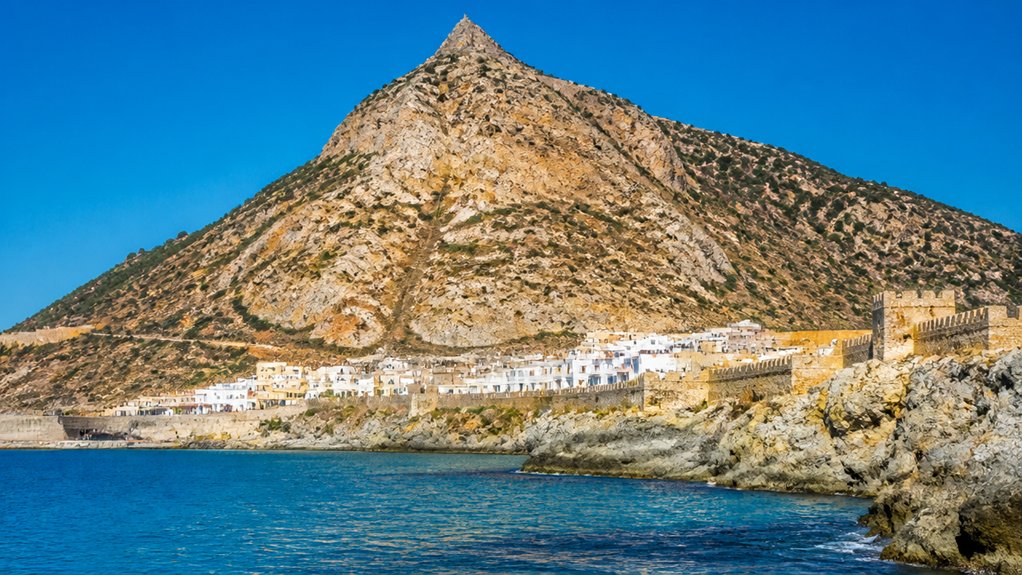
Spanish fortifications on the headlands explain Ceuta’s strategic value more clearly than museum labels ever could. The coastal path is walkable without special planning, and the sightlines across to Morocco make obvious why this city held weight—and why it still does. You won’t need much preparation for this route, and you won’t encounter many other people doing it.
Your cruise company will push excursions to Tangier or other Moroccan ports because they sound appealing. What actually happens is tighter schedules, higher costs for transport, and less time on the ground than you anticipate. Booking a local guide for a walk through Ceuta’s cross-border history in advance costs less and teaches you more about how this place came to exist. The reliable guides fill their slots during cruise season, so arrange this before you arrive rather than waiting to see what’s available when your ship docks.
Shore Excursion or Going It Alone
The ship excursion desk will push their tours as convenient, but they mean convenient for their profit margins—the cruise line takes a cut that bears no relation to what you’re actually getting. You’re paying for middlemen and logistics that Ceuta doesn’t require, given how compact and straightforward the port layout is.
Walking Ceuta on your own works fine if you can manage a small city without panic. The medina is tightly packed but not genuinely confusing, and you won’t stay lost for long even if you turn down the wrong alley. If you want context and local insight, independent guides available for advance booking cost a fraction of what the ship charges and will show you where people actually live instead of the three tourist streets.
The real reason to book a local guide beforehand isn’t just the cost, though that matters. The best guides fill their slots during cruise season, so waiting until you reach port means the knowledgeable ones are already taken. Someone who understands Ceuta’s border politics, its military garrison history, and where the proper coffee is will give you a genuinely different day—precisely what you get for arranging things before you sail.
If you want genuine independence, grab water from a shop near the dock and walk toward the northern beaches or the coastal fortifications. You’ll spend significantly less than any organised option and see the places where locals spend their time rather than perform for tourists. Consider purchasing a local eSIM data plan to navigate independently and avoid expensive roaming charges while exploring on your own.
Local Knowledge Worth Having Before You Dock
Immigration queues back up when your ship arrives alongside the cruise terminal, so you’ll either need to move fast or accept a wait. The choice between rushing ashore and lingering on deck for twenty minutes depends on your tolerance for crowded corridors, but either beats standing in a slowly-shuffling line.
The souvenir sellers in the medina work fast—they’ll clock you as a cruise passenger and price accordingly. Your best move is shopping in the neighbourhood streets where locals actually buy things, because the same textiles and ceramics cost half what you’d pay near the main squares. Cafés follow the same pattern: skip anywhere overlooking a plaza and head instead to where people live and work.
Ceuta runs on euros, which surprises some visitors expecting bargain-basement North African rates. Prices sit roughly between Spanish and Moroccan levels rather than matching either, so your money goes further than it would in southern Spain but doesn’t stretch as far as it might across the border in Morocco. Consider purchasing a local eSIM data plan to avoid roaming charges while exploring the city and connecting with locals.
The fish market operates in the early part of the day and shuts down well before lunch, so timing matters if you want to see actual commerce rather than a staged version for tourists. The medina afterwards becomes noticeably quieter and reveals how the place actually functions when the cruise ships aren’t the main event.
Your Port Day: A Sample Itinerary
Most cruise passengers spend their Ceuta morning trapped in immigration queues, then buy things they don’t need in the medina before rushing back to the ship. If you skip both, you’ll actually learn how the place works.
The Royal Walls are the obvious starting point—a Portuguese and Spanish fortification a short walk from the port, cut through by a navigable sea moat. The walk there is flat and easy, passing neighbourhoods where people live their ordinary lives, not perform for tourists. From the ramparts you look out along the isthmus toward Morocco, with the medina still available afterwards if you want it.
The fish market comes next. You don’t need to buy anything, but watching how the vendors operate and how locals shop teaches you more about Ceuta’s actual economy than a guided tour would. The work happens fast and the energy is straightforward rather than staged.
Find lunch in a neighbourhood café rather than near the tourist squares. Ask locals where they eat, or follow the smell of grilled fish. Your money goes further and the food tastes better than restaurant plates overlooking plazas with inflated menus. Consider booking guided excursions in advance to maximize your port time with authentic local experiences.
Spend your afternoon in the medina once the morning crush has cleared and you know which stalls charge fair prices. Booking an independent local guide online before your cruise arrives gets you someone who actually knows the history and architecture, rather than a generic guide processing groups of last-minute cruise passengers.
Book your Ceuta day
Tours for this port, compare before you book
Getting around in port
✈️ Before you sail: eSIM, insurance, luggage, flight delays
Ships In Ceuta
Upcoming calls from our sailings tracker, updated regularly.
Fred Olsen Bolette
Fred OlsenThu 22 Oct
Fred Olsen Bolette
Fred OlsenMon 2 Nov
Ambience
Ambassador Cruise LineSat 7 Nov
⚓ 09:30–20:00
Fred Olsen Bolette
Fred OlsenThu 26 Nov
Fred Olsen Balmoral
Fred OlsenMon 22 Feb
Ambience
Ambassador Cruise LineTue 6 Apr
⚓ 08:00–18:00