Ashdod Cruise Port Guide
The ultimate guide to navigating Ashdod’s working port, discovering hidden local gems, and maximizing your shore time—but most travelers miss these insider tips.
In this guide
Try one free personalised day plan — built around your ship’s actual arrival and departure times. Then get every port on your cruise done the same way from £7.99 (about $10).
Cruise Port Overview: What To Expect
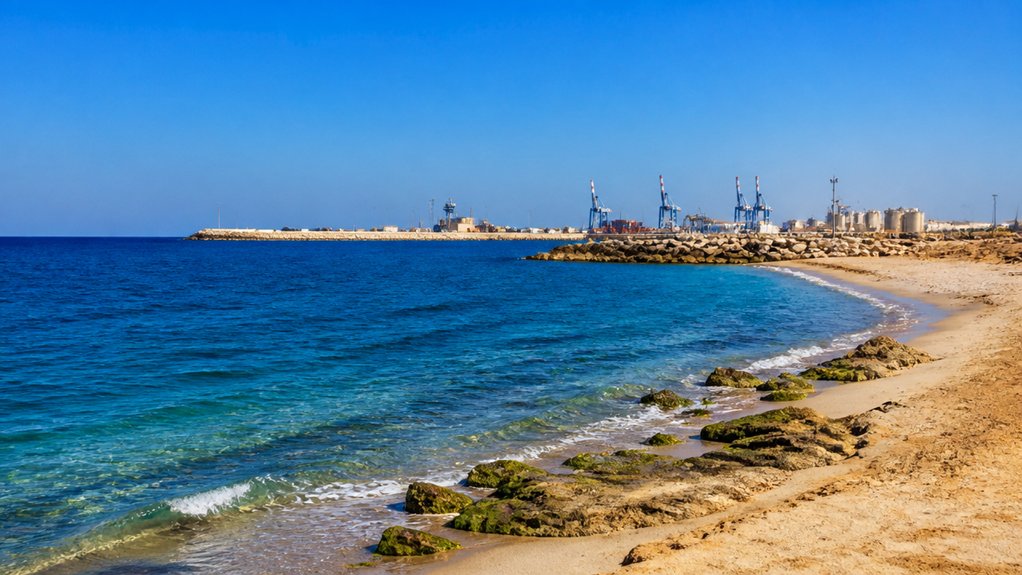
Ashdod operates as a working port, so you’ll share the space with container ships and fishing vessels rather than arriving at a polished tourist terminal. The passenger facilities are straightforward and compact—a shop, café, and basic amenities without frills, though prices reflect their captive location. The lack of architectural charm actually works in your favour because the terminal won’t trap you in queues or confusing passages.
Your main decision is whether to book an excursion or explore independently. Ship-organised tours to Jerusalem, Tel Aviv, Masada or the Dead Sea cost considerably more than booking the same experience online beforehand, and you’ll move at their predetermined pace. Independent bookings made well before your cruise date offer better value and genuine flexibility, though popular options do fill up during busy seasons.
Staying local means the seafront is adequate for a walk and coffee, and the older port area has enough character to justify an hour or two. Town restaurants away from the terminal charge reasonable rates, and getting there involves minimal effort and cost compared to ship rates. Sort out your plan before docking—either commit to a pre-booked tour or give yourself permission to wander without schedule—and either way the port justifies the stop.
Getting From the Port To Town
The run from terminal to town centre is around four kilometres through a secure working port, so walking isn’t an option and there’s no shelter from the summer heat anyway. A shuttle runs to the port gate, and taxis wait outside the terminal, but you’ll pay significantly more than locals do unless you negotiate the fare upfront or insist they use the meter.
The bus service is your practical choice. It runs regularly, costs far less than a taxi, and you’ll travel alongside actual residents rather than other passengers, which gives you a straighter view of how the place works. Buses stop near the town centre, close enough to reach restaurants and the waterfront without further fuss.
If you want to visit Jerusalem, Tel Aviv, Masada or the Dead Sea independently, book a tour operator in advance so they can collect you from the terminal or a nearby point. This removes the guesswork from getting around. Tours book up quickly during peak seasons, so arranging this online before you arrive gives you better choice and rates than anything you’ll sort out on the day. You can explore guided tours and shore excursions available through cruise port specialists to ensure seamless coordination with your ship’s schedule.
Getting back to the port is straightforward—locals will point you the right way if needed. Give yourself extra time before departure because port security processes people at its own rhythm, and turning up rushed wastes the whole point of a shore day.
The Must-Do Experience: Start Here
Most cruise passengers arrive in Ashdod with vague plans and end up wandering the waterfront eating overpriced seafood within an hour of disembarkation. Instead, your best use of a few hours ashore is to get out of the immediate port area entirely and see something that actually justifies the journey.
The Ashdod Museum of Art should be your first stop, before crowds build and while you’re still fresh. The collection focuses on Israeli and international contemporary work, and it’s genuinely worth your time—nothing crowded, nothing staged, just good art in a manageable space. You’ll spend a comfortable stretch here and leave with a clearer sense of the city than you would from any beach walk.
From there, head to the marina by the city beaches, where the promenade feels lived-in rather than constructed for visitors. The restaurants here serve proper local food at reasonable prices—a stark contrast to the terminal area. Grab lunch at a waterfront place where residents actually eat, not where tour operators send people.
If you’ve got energy left and genuinely want to understand the region’s deeper history, consider booking an independent tour operator in advance to take you to Masada or the Dead Sea. These require serious time commitment but deliver experiences you simply cannot replicate in town. Tours fill quickly during peak seasons, so arrange yours online well before you arrive—you’ll secure better rates and guaranteed collection from the terminal with professional drivers, which beats negotiating transport on the day.
History Culture and the Top Sights
Ashdod’s actual history lies beneath modern development, so you need to know where to look or you’ll miss it entirely. The city has been settled for thousands of years—Philistine stronghold, Roman port, early Islamic fortress—yet most of that story isn’t immediately visible walking around the contemporary waterfront.
Start your morning at the Ashdod Museum of Art. The collection leans contemporary, so if you want context on the city’s archaeological layers, pair it with the Corinne Mamane Museum of Philistine Culture. The space stays relatively quiet before midday, which gives you room to actually think about what you’re looking at.
Walk along the seafront to the marina, a leisure harbour between the city beaches and well away from the cargo quays of the working port. You’re looking at how the city actually operates, not a reconstruction of it. For Ashdod’s maritime past, the ruined early Islamic fortress at Ashdod-Yam on the coast is the place to go.
If the region’s deeper chronology genuinely interests you, book an independent tour operator in advance to visit Masada or explore biblical sites in the surrounding areas. These journeys require serious commitment, but they connect Ashdod’s current location to the broader ancient Near Eastern narrative. Popular operators fill their schedules quickly during peak cruise seasons, so securing your spot online before arrival guarantees collection from the terminal and considerably better rates than negotiating with hawkers on the day.
Ashdod isn’t cluttered with obvious historical monuments, which actually works in your favour. You’ll experience a working city rather than a museum, and that’s considerably more useful.
Beyond the Centre: Day Trips and Alternatives
Most cruise passengers stay inside the terminal because Ashdod doesn’t market itself heavily, leaving the quieter spots beyond the centre largely untouched by tourist crowds. The Mediterranean coast runs in both directions and provides actual breathing room rather than packaged heritage trails, though reaching these places means planning ahead rather than wandering aimlessly from the ship.
Caesarea lies a fair distance north and justifies the journey. The Roman theatre still hosts live performances, the harbour structure remains intact, and the archaeological park doesn’t feel overwhelmed the way comparable sites elsewhere do. Ship excursions exist but carry a premium, and you’ll waste considerable time herding other passengers onto coaches.
Book through an independent operator before you arrive instead. Established companies collect passengers directly from the terminal and run small groups to either Caesarea or the Dead Sea, which undercuts both the cruise line markup and the negotiating hassle of day-of hawkers. During busy seasons these tours sell out quickly, so reserving online secures your transport and proper guidance without the inflated costs.
The Ashdod waterfront itself improves substantially once you get past the terminal promenade restaurants. Head south along the coastal path toward the marina, where things actually slow down and local people conduct their ordinary business. The small cafés there charge less than anything near the ships and serve the food residents actually eat rather than what tourism expects.
Shore Excursion or Going It Alone
The cruise line’s excursion desk prices assume you’ll pay more for convenience and certainty, banking on your hesitation about navigating an unfamiliar port alone. Your real choice isn’t between their coach tour or staying aboard—it’s between spending considerably more for a guided experience and spending less while keeping your freedom, provided you’re willing to move quickly and manage basic logistics yourself.
For destinations like Caesarea or the Dead Sea, book an independent operator before you arrive rather than waiting until you’re docked. These established companies collect passengers directly from the terminal, operate smaller groups, and charge significantly less than the cruise line markup. During peak seasons these tours sell out, so booking online beforehand eliminates both the financial premium and the stress of negotiating with port-side operators who know you’re pressed for time. Consider purchasing a local eSIM data plan before arrival to avoid roaming charges while coordinating your independent travel arrangements.
The waterfront itself deserves your attention if you prefer to stay close. The marina area along the city seafront has actual character—fewer tourists, lower prices, and people who live there rather than work there seasonally. The cafés serve real food at reasonable rates instead of the inflated tourist plates marketed near the ship.
The terminal zone is designed to extract money from cruise passengers and prices reflect that straightforwardly. Walk beyond the commercial area and you’ll find prices drop alongside the visitor density. Since your time ashore is fixed, decide before disembarking whether you want guided transport to distant archaeological sites or a quieter few hours in the neighbourhood where ordinary life happens.
The Practical Details That Change Your Day in Ashdod
Download offline maps and grab the local transport app while your phone still has a solid connection aboard ship, because the port’s mobile signal is unreliable and you’ll waste time troubleshooting once you’re ashore. Most passengers skip this step and end up either overpaying for taxis or standing at bus stops trying to decipher routes on a weak connection. The few minutes spent downloading beforehand pay dividends.
You need Israeli shekels, and the exchange rates at terminal kiosks are poor. Draw cash from an ATM inside the terminal or arrange it before you arrive, since neighbourhood cafés often require exact change and don’t accept cards. Prices away from the tourist zone assume you can pay this way.
English is spoken reasonably well by locals, but learning a few Hebrew phrases like “thank you” and “how much?” takes no effort and makes a difference in how people respond to you. The effort signals respect and tends to open conversations that wouldn’t otherwise happen.
Taxis from the rank outside the terminal are metered and legitimate, though you should negotiate your fare upfront if heading beyond the immediate area. The port handles both cargo and cruise traffic, so the terminal feels industrial rather than welcoming—this is simply how ports function and says nothing about Ashdod itself.
Your actual advantage is going ashore early before coaches arrive and queues form at the terminal. The first few hours give you space to move without crowding, see how the town actually works, and avoid the conveyor belt atmosphere of tourist groups.
Your Port Day: A Sample Itinerary
Most cruise passengers waste their first hour queuing for taxis or waiting for the port shuttle, so get off early and head for Ashdod proper as soon as you can. The town centre is too far to walk from the ship, but once a taxi drops you there it’s a straightforward walk between cafés and shops, and you’ll pass ordinary neighbourhood life rather than staged tourist attractions. You’ll spot cafés where locals actually sit, bakeries selling fresh bread at a fraction of what the terminal charges, and a genuine sense of how people live here rather than how they perform for visitors.
By mid-morning, you want to reach Corinne Mamane Museum of Philistine Culture or the nearby archaeological sites if ancient history appeals to you—independent guided tours of the coastal archaeology sell out quickly for cruise passengers, so booking ahead online saves both money and the frustration of finding nothing available when you arrive. The alternative is heading to Lido or Mei Ami beach, where you can swim or simply sit without the contrived atmosphere of organised tour groups. Bring your downloaded offline map because you’ll navigate faster than relying on signal.
Grab lunch from a neighbourhood restaurant away from the seafront tourist strip—prices are genuinely moderate and the food isn’t pitched at visitors. By afternoon, circle back toward the terminal gradually rather than rushing, allowing time to browse the small galleries or second-hand bookshops that cluster near Rehov Herzl. You’ll board your ship with an actual understanding of Ashdod rather than a collection of photos from places everyone photographs, which is precisely the point of visiting a working port that hasn’t been flattened into cruise-industry standardisation.
Book your Ashdod day
Tours for this port, compare before you book
Getting around in port
✈️ Before you sail: eSIM, insurance, luggage, flight delays
Ships In Ashdod
Upcoming calls from our sailings tracker, updated regularly.
ms Volendam
Holland AmericaSun 31 Oct
⚓ 08:00–20:00