Kagoshima Cruise Port Guide
Why skip overpriced ship excursions when insider tips reveal how to explore Kagoshima’s volcanic wonders independently?
In this guide
Try one free personalised day plan — built around your ship’s actual arrival and departure times. Then get every port on your cruise done the same way from £7.99 (about $10).
Cruise Port Overview: What to Expect
Kagoshima’s cruise terminal is isolated from the city centre, so wandering off the ship and stumbling onto something worthwhile won’t happen. The facility itself is modern and functional—you’ll find ATMs, basic amenities, and an information desk—but none of this changes the fact that actual Kagoshima lies beyond walking distance. You’ll need a shuttle bus or taxi to reach the attractions that make the city worth visiting.
This distance works in your favour. Once you move away from the terminal area, the cruise passengers disappear and you’ll experience a place that functions for locals rather than tourists. The trade-off is straightforward: more effort getting there means fewer crowds when you arrive, and a genuinely local experience rather than a manufactured version of one.
Your approach to the day matters before you leave the ship. Ship-organised excursions offer convenience but cost considerably more than arranging your own transport and guides. Pre-booking an independent shore excursions online is more economical and gives you control over your schedule, particularly important when tour operators sell out quickly during peak cruise days.
Transport signage at the terminal is adequate, though English clarity varies. During busy cruise days, queues move slowly and independent transport arrangements take longer than ship shuttles. Starting early with a structured plan minimises stress and maximises the time you actually spend away from the terminal.
Getting From the Port to Town
The shuttle bus from the terminal is the simplest way into the city, which lies about 5 km to the north; there’s no train from the terminal itself. Once you’re in the centre, Kagoshima-Chuo Station and the streetcar are the main transport hubs, though the signage caters to people familiar with Japanese transport. Ticket machines default to Japanese, and staff at the information counter can clarify which line serves your destination. Once you understand the system, public transport proves both cheaper and simpler than taxis.
Taxis wait outside the terminal and charge significantly more than the shuttle or buses, yet appeal to travellers who want direct routes without navigation puzzles. If you’re travelling in a larger group or have mobility concerns, the higher cost might justify itself through door-to-door delivery to specific locations. Solo travellers and pairs usually save money with the shuttle bus and public transport, which prove manageable after your first ticket purchase.
The bus network connects to the port, but routes lack clarity for first-time visitors compared to the train system. Staff can provide English-language route information, though you won’t find it clearly marked at the terminal itself. Buses get crowded during peak cruise days, so expect longer waits and less predictable departures if you choose this option.
Walking from the terminal reveals how isolated the port sits—industrial quietness replaces functional infrastructure within a short distance. This isolation means you cannot afford indecision about transport once you leave the ship. Book tours or arrange private transport well before arrival if you want reliable access to worthwhile attractions in Kagoshima, as the best operators fill quickly and self-organisation reduces both stress and cost.
The Must-Do Experience: Start Here
Kagoshima’s main problem is also what makes it worth visiting: the port lacks the structured facilities that make other Japanese stops straightforward for cruise passengers. Your first few hours ashore will feel less controlled than you’re used to, but this also means you’ll see fewer tourists once you leave the terminal behind.
The waterfront won’t help you. The port area runs on shipping logistics, not visitor attractions, and aimless wandering around the docks wastes time you can’t afford to lose. Head straight into the city centre on the shuttle bus instead—this choice shapes your entire day more than any scenic view from the ship.
Book an independent guide before you arrive rather than waiting for the cruise line’s offerings. Tour operators with good reputations get booked out quickly on cruise days, and advance online booking locks in departure times that align with your ship’s schedule while costing less than what you’d pay onboard. A knowledgeable guide turns navigating an unfamiliar city into a structured half-day that covers actual local life—temples, gardens, ordinary neighbourhoods where you won’t be one of dozens of passengers doing the same thing.
If you’d rather find your own way around, staff at Kagoshima-Chuo Station can point you toward Terukuni Shrine or the Museum of the Meiji Restoration. The museum is a short walk from the station and the shrine sits near Tenmonkan, and both are genuinely less crowded than the tourist checklist spots. Either option beats spending your afternoon in the industrial zones around the port or paying inflated prices for mediocre food at the terminal’s limited cafes.
History Culture and the Top Sights
Kagoshima’s history feels less polished than other Japanese ports because much of it is tied to the samurai class and imperial politics rather than the conventional shrine-and-garden circuit. Terukuni Shrine sits at the heart of the city’s identity, honouring Shimazu Nariakira of the Shimazu clan who ruled this region for centuries. You’ll recognise this place matters to locals, not just tourists, and that distinction changes how you experience it.
The Museum of the Meiji Restoration (Ishin Furusato-kan) tells the story of the Meiji Restoration through Kagoshima’s role in overthrowing the shogunate. Expect films and life-size robot performances alongside the displays, and the narrative is genuinely gripping if you care about how modern Japan came to be. Most cruise passengers skip it entirely, which means you won’t queue.
Sengan-en offers something different: the Shimadzu clan’s former villa and traditional landscape garden, looking straight across the bay to Sakurajima. It’s one of Japan’s best-known gardens, so go early, and it’s ideal if you’ve booked a guide who knows how to spend your time wisely rather than herding you toward the port’s recommended spots. The garden reveals what Kagoshima’s ruling family valued, which tells you more about the place than any official tourism board could.
The waterfront museums near the terminal aren’t worth your time. They’re overpriced, undersized, and exist mainly because cruise ships dock here. Your day improves dramatically the moment you leave the port area behind and head toward the actual city.
Beyond the Centre: Day Trips and Alternatives
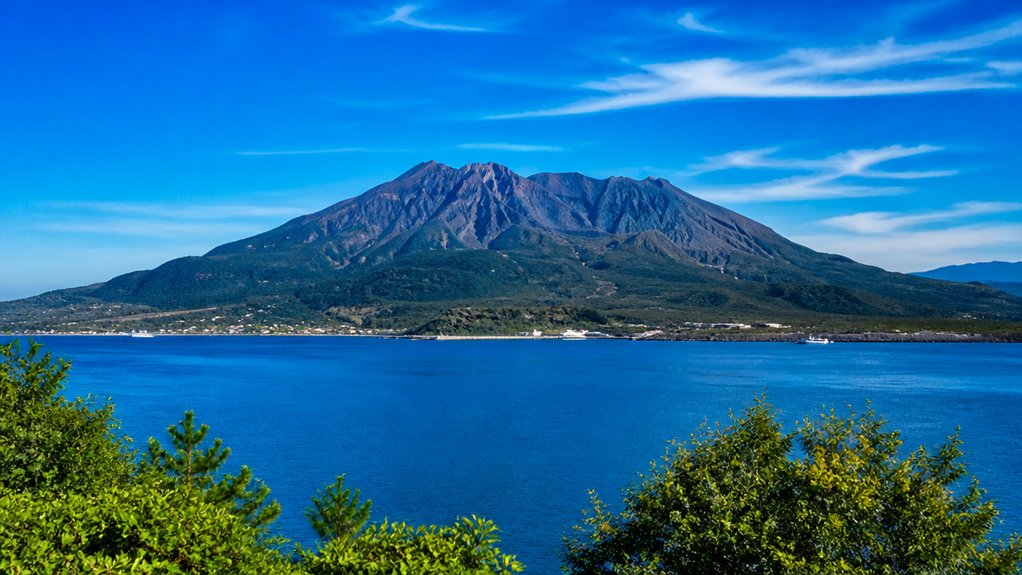
Sakurajima volcano sits across Kinko Bay, and most cruise passengers glance at it from the ship before moving on. This approach wastes an opportunity, since the island itself offers considerably more than anything within walking distance of the terminal.
A ferry service runs frequently to Sakurajima from the ferry terminal near the city centre, a short taxi ride from the cruise terminal, and the crossing takes about 15 minutes. Once you arrive, you can walk to active steaming vents and volcanic rock formations that demonstrate this landscape is geologically unstable—entirely different from the maintained gardens back in the city centre. The volcanic sand beach provides actual quiet compared to Kagoshima’s other attractions, and the air quality near the vents makes clear why residents regard this place with caution.
The Sakurajima ferry is run by Kagoshima City and costs far less than a ship tour, and you’ll travel alongside actual residents rather than organised groups. There’s no need to book: foot passengers simply turn up and pay at the Sakurajima end, and boats run frequently through the day.
If Sakurajima doesn’t appeal, the Sengan-en area provides coastal walking and mountain views without needing a ferry. You’ll need to travel beyond the immediate port area to experience it properly, but your time improves significantly the moment you stop treating Kagoshima as a quick stop and start leaving the terminal.
Shore Excursion or Going It Alone
The ship’s excursion desk charges substantially more than independent booking, and you’ll lose half your time waiting for other passengers to board the coach. Taking the public ferry yourself costs far less, departs when you decide, and lets you linger at the volcanic vents if conditions suit you.
Kagoshima City’s ferries run frequent services from the terminal near the city centre, and there’s no booking ahead to worry about, as foot passengers simply turn up. You travel alongside locals rather than fifty tourists with laminated maps, which fundamentally alters what you actually experience.
The obvious drawback is losing a guide’s commentary, but you gain control over your schedule and real savings. If you want structure without paying the premium, independent tour operators offer small-group trips booked online, departing directly from the terminal with enough time to return before your ship leaves. These typically include a ferry crossing, a walk to the active vents, and access to the volcanic beach—the same content as a ship tour but cheaper and with fewer people.
Kagoshima city itself works adequately with the ship’s organised walking tours, though the markup doesn’t reflect the actual value. Your money stretches further when you explore independently, particularly once you’ve decided Sakurajima matters more than staying near the dock.
The Mistakes Cruise Passengers Make in Kagoshima
Sengan-en can get busy once the morning cruise ships dock and the tour coaches arrive, and most passengers who go do so on a ship tour. Book a guided visit through an independent tour operator before you arrive so your visit is timed to avoid the worst crowds, or go straight there from the port before heading anywhere else.
The tourist information centre near the port entrance stocks English maps and can advise on local transport, but staff recommend the expensive option first as standard practice. Ask specifically about the Sakurajima ferry and local bus passes rather than accepting their initial suggestion, and you’ll pay considerably less while moving at your own pace. You won’t spend your afternoon waiting for a coach to fill up with other passengers.
Sakurajima’s volcanic landscape is what actually warrants a trip here, not the city centre shops selling identical goods to everywhere else. The ferry ride costs only a small fee and locals use it daily, so you’re on an actual transport route rather than a tourist shuttle where you pay a premium for convenience. There’s no ferry ticket to book in advance, as you pay at the Sakurajima end, and independent tour operators departing from the terminal offer guided walks to the vents and volcanic beach with far more flexibility than the ship’s full-day excursion at a fraction of the price.
Your Port Day: A Sample Itinerary
Eight hours ashore gives you enough time to do things properly if you plan deliberately and avoid the tourist precinct entirely. Head straight from the ship to Sengan-en before other passengers arrive. The morning light works well there, and you’ll have relative quiet for the first hour or so.
Order matcha and a small snack at the garden’s café, and you’ll have already experienced something most cruise passengers skip. Take the ferry to Sakurajima mid-morning while visibility is still good on the volcanic island. There’s no need to book; boats run frequently and you pay at the Sakurajima end.
Spend two or three hours on the island walking the volcanic landscape and beaches, which actually explains why Kagoshima warrants a port stop in the first place. Your final hours before departure work best spent at a neighbourhood restaurant away from the tourist strip rather than eating ship food you’ve already paid for. The local places near the ferry terminal serve proper meals at proper prices and you’ll eat what people in the area actually eat.
This approach requires ignoring the ship’s suggested itinerary entirely, which is precisely why you’ll have a better day than passengers who don’t.
Book your Kagoshima day
Tours for this port, compare before you book
Getting around in port
✈️ Before you sail: eSIM, insurance, luggage, flight delays
Ships In Kagoshima
Upcoming calls from our sailings tracker, updated regularly.
Celebrity Millennium
Celebrity CruisesFri 9 Oct
⚓ 07:00–16:00
Costa Serena
Costa CruisesSun 11 Oct
⚓ 09:00–19:00
Spectrum Of The Seas
Royal CaribbeanTue 13 Oct
⚓ 07:00–16:00
Celebrity Millennium
Celebrity CruisesMon 26 Oct
⚓ 07:00–17:00
ms Westerdam
Holland AmericaTue 27 Oct
⚓ 08:00–17:00
Diamond Princess
Princess CruisesSat 7 Nov
⚓ 09:00–18:00